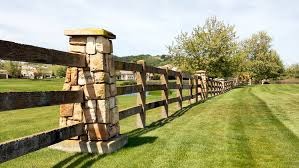
Maintaining wood paddock fencing ensures its durability and functionality over time. Wooden fences are a popular paddock choice due to their aesthetic appeal and effectiveness in containing livestock. However, wood is susceptible to weathering, pests, and decay. Proper maintenance can significantly extend the life of the fencing, ensuring it remains sturdy and visually appealing. We will explore
Long Fence information and essential practices for maintaining wood paddock fencing to help you preserve its condition and functionality.
Regular Inspection and Repairs
Regular inspection is vital for maintaining the integrity of wood paddock fencing. Periodically check the entire fence length for any signs of damage, such as broken boards, loose nails, or rot. Addressing minor issues promptly can prevent them from escalating into more significant problems. Replace any damaged or rotting boards to ensure the fence remains sturdy and functional. Pay special attention to the fence posts, as they bear the weight of the entire structure. Ensure they are firmly anchored and free from signs of decay. You can maintain the fence’s structural integrity and prevent costly replacements by conducting routine inspections and making timely repairs.
Protecting Against Weather and Moisture
Wood paddock fencing is highly susceptible to damage from moisture and weather conditions. To safeguard the wood, apply a weather-resistant sealant or wood preservative. These products help repel water, reducing the likelihood of rot and swelling. Reapply these treatments as the manufacturer recommends, typically every couple of years or as needed. Additionally, ensure proper drainage around the fence posts to prevent water accumulation at the base, which can lead to rot. Keeping the wood dry is crucial for maintaining its strength and longevity. During heavy rain or snow, check for any signs of water damage and address them immediately to prevent further deterioration.
Managing Pest Infestations
Pests such as termites and ants can cause significant damage to wooden fencing. Regularly inspect the fence for signs of pest activity, including holes, sawdust, or frass (termite droppings). If you detect any pest problems, take immediate action to address them. Use pest control treatments specifically designed for wood to eliminate infestations. Additionally, consider using termite-resistant wood treatments or natural repellents as preventive measures. Keeping the area around the fence clean and debris-free can also help reduce the likelihood of pest infestations. By proactively managing pest issues, you can protect the wood from damage and ensure the longevity of your paddock fencing.
Cleaning and Maintenance
Routine cleaning of wood paddock fencing helps remove dirt, algae, and mildew that can contribute to the wood’s deterioration. Use a mild detergent and a soft brush or sponge to clean the fence’s surface. Avoid harsh chemicals or high-pressure washers, which can damage the wood or remove protective coatings. After cleaning, inspect the fence for any signs of damage or wear and address these issues promptly. Regular cleaning improves the fence’s appearance and helps maintain its protective coatings and finish. By incorporating cleaning into your maintenance routine, you can enhance the fence’s longevity and overall condition.
Choosing the Right Wood and Treatments
The type of wood used for paddock fencing can significantly influence its longevity. Opt for wood species naturally resistant to decay, such as cedar or redwood. These woods have natural oils that help protect against moisture and pests. Treat the wood with preservatives and sealants designed to enhance its durability. When selecting wood treatments, consider factors such as weather conditions and the specific needs of your paddock. Properly treated wood can withstand environmental stresses better and last longer. By choosing the right type of wood and treatments, you can significantly extend the life of your paddock fencing.
Avoiding Common Mistakes
Several common mistakes can compromise the longevity of wood paddock fencing. One such mistake is neglecting to maintain the fence regularly, which can lead to minor issues becoming major problems. Another mistake is using untreated or low-quality wood, which may not withstand environmental conditions effectively. Additionally, improper installation, such as inadequate post spacing or poor anchoring, can lead to structural issues. Ensure the fence is installed correctly and all components are high quality. By avoiding these common mistakes and following best practices for maintenance, you can ensure that your wood paddock fencing remains in excellent condition for years to come.
Maintaining wood paddock fencing requires a combination of regular inspections, protection from weather and pests, and proper cleaning. By implementing these practices, you can extend the life of your fencing and ensure its functionality and appearance remain intact. Choosing the suitable wood and treatments and avoiding common mistakes further contribute to the fence’s longevity. Investing time and effort into maintaining your wood paddock fencing will not only preserve its condition but also protect your livestock and enhance the overall aesthetics of your paddock. With diligent care, your wood fencing can provide lasting value and service.