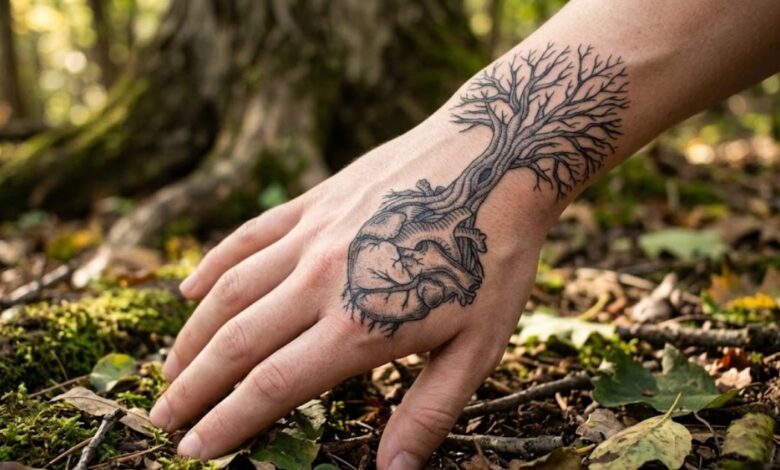
Tattoos tell stories without a single spoken word. Among the many symbols people choose, the poison tree tattoo stands out for its dark elegance and layered meaning. It’s not just a striking image — it carries centuries of literary and emotional weight behind every branch and root.
If you’ve been searching for the poison tree tattoo meaning, you’re probably drawn to its mix of beauty and shadow. This guide breaks down where the symbol comes from, what it represents today, and how to choose a design that fits your story.
What Does a Poison Tree Tattoo Symbolize
At its core, a poison tree tattoo represents suppressed emotion. It speaks to anger, resentment, or betrayal that was never expressed openly. Instead of confronting the feeling, it was buried — and like a seed in soil, it grew into something larger and more dangerous over time.
This makes the design deeply personal. Many people choose it after a difficult relationship, a broken friendship, or a period of holding in emotions they couldn’t voice. The tree becomes a visual metaphor for what happens when pain isn’t dealt with directly.
Roots in Betrayal and Suppressed Anger
The poison tree tattoo meaning is closely tied to betrayal. It reflects a moment when someone chose silence over confrontation, letting resentment take root instead. The branches often symbolize how that silence spreads and affects other parts of life if left unchecked.
For some wearers, the tattoo is less about the betrayal itself and more about acknowledging it. Getting inked becomes a way of owning the emotion rather than hiding it, turning something painful into art that can be seen and understood.
Growth From Negative Emotion
Not every interpretation is entirely negative. Many people see the poison tree as proof that even harmful emotions can be transformed into something meaningful. The tree still grows, still stands, and still has its own strange beauty — despite the poison in its roots.
This dual meaning is part of why the design remains popular. It doesn’t shy away from darkness, but it also shows resilience. A poison tree tattoo can represent surviving something toxic and choosing to grow from it rather than being destroyed by it.
The Origin of the Poison Tree Concept
To fully understand the poison tree tattoo meaning, you have to go back to literature. The phrase and imagery trace directly to one of the most quoted short poems in the English language, written more than two centuries ago.
That poem gave the concept its emotional framework, and tattoo culture later adopted it as a visual shorthand for hidden anger. Knowing this backstory adds real depth to the design, especially for anyone who wants their ink to carry more than surface-level symbolism.
William Blake’s “A Poison Tree” Poem
English poet William Blake wrote “A Poison Tree” in 1794 as part of his collection Songs of Experience. The poem describes anger toward a friend that is spoken and resolved, contrasted with anger toward an enemy that is kept secret and allowed to fester.
In the poem, that hidden anger is nurtured like a tree — watered with fears and sunned with smiles — until it bears a poisonous apple. The enemy eventually eats the fruit and dies, symbolizing how unspoken resentment can quietly destroy relationships and even the person holding it.
How the Poem Shaped Tattoo Culture
Blake’s imagery translated naturally into visual art. The idea of a tree grown from concealed emotion gave tattoo artists a powerful, symbolic subject that works well in blackwork, linework, and illustrative styles.
Over time, the poison tree tattoo meaning expanded beyond a direct reference to Blake’s poem. Today it’s used more broadly to represent any internal struggle with anger, jealousy, or betrayal, even by people who’ve never read the original text but connect with the symbolism instinctively.
Poison Tree Tattoo Meaning in Different Cultures
Symbolism around trees isn’t unique to one poem or one culture. Different traditions have long used trees to represent life, death, knowledge, and danger, which is part of why the poison tree image resonates so widely.
Understanding these broader associations helps explain why the design feels universal, even though its most famous origin is a single English poem from the 18th century.
Western Literary Symbolism
In Western literature, trees often represent knowledge and consequence, most notably the Tree of Knowledge in the Bible. A poisoned version of that symbol adds a layer of warning — knowledge or emotion that, left unmanaged, leads to harm rather than growth.
This connection gives the poison tree tattoo meaning extra resonance for people who see their personal struggles as a kind of forbidden fruit: something tempting to hold onto, even when they know it’s harmful.
Folklore and Nature-Based Interpretations
Many folklore traditions feature trees that are cursed, haunted, or dangerous, often tied to death or transformation. These stories reinforce the idea that nature can hold both beauty and threat at the same time.
A poison tree tattoo taps into this universal tension. It doesn’t need a direct literary reference to feel meaningful, because the visual language of a twisted, dark tree already suggests danger beneath something naturally beautiful.
Popular Poison Tree Tattoo Styles
Once you understand the meaning, the next step is choosing how to bring it to life. Style has a major impact on how the symbolism reads visually, and different approaches suit different personalities and pain tolerances.
Here are the most requested styles for this design, based on what tattoo artists report seeing most often in consultations.
- Blackwork: Bold, solid black lines create a striking silhouette and emphasize the tree’s twisted, dramatic shape
- Fine line: Delicate, detailed branches offer a subtler, more intricate take on the same symbolism
- Watercolor: Adds color bleeding effects, often in deep reds or purples, to suggest poison visually
- Illustrative: Combines linework with shading for a storybook, almost gothic aesthetic
- Realism: Rare but powerful, focusing on lifelike bark texture and dramatic lighting
Blackwork and Fine Line
Blackwork remains the most popular choice for poison tree tattoos because it captures the design’s dark tone without needing color. Bold outlines and solid fills make the tree instantly recognizable, even from a distance, which works well for larger placements.
Fine line, on the other hand, appeals to people who want something more personal and less bold. Thin branches and subtle detail let the symbolism feel quiet and introspective rather than dramatic, which suits smaller or more discreet placements.
Watercolor and Illustrative
Watercolor poison tree tattoos use color to visually represent the “poison” element, often with deep reds, purples, or even sickly greens bleeding through the branches. This style turns the design into a more artistic, painterly statement piece.
Illustrative styles blend structure with atmosphere, often adding elements like crows, apples, or fog to build a small scene rather than a single tree. This approach works particularly well for anyone wanting to reference Blake’s poem directly through added symbolism.
Best Placement Ideas for a Poison Tree Tattoo
Placement affects both how the design looks and how much detail it can hold. Because poison tree tattoos often rely on branching detail, larger areas tend to give artists more room to work with.
Below is a quick breakdown of popular placement choices and what each one offers.
- Forearm: Highly visible, great for showing off branch detail
- Full sleeve: Ideal for illustrative designs with added symbolism
- Back: Offers the most space for large, dramatic tree designs
- Ribcage: A more private, personal placement with a curved canvas
- Calf: Works well for vertical tree shapes with root detail
Forearm and Sleeve
The forearm is one of the most requested spots for this design because it allows the branches to wrap naturally around the arm. It’s also easy to show or cover depending on the setting, which appeals to people who want flexibility.
A full sleeve takes this further, giving artists room to build a complete scene. This might include roots at the wrist, a trunk along the forearm, and branches spreading toward the shoulder, creating a more immersive version of the poison tree tattoo meaning.
Back and Ribcage
The back offers the largest canvas, making it ideal for anyone who wants a highly detailed, dramatic design. Symmetrical branching, shading, and added elements like fog or apples all have room to breathe in this placement.
Ribcage tattoos, while more painful, offer a deeply personal option. Because this spot is easily hidden, many people choose it specifically because the meaning behind the tattoo feels private rather than something meant for public display.
Poison Tree Tattoo vs Other Tree Tattoo Meanings
Tree tattoos come in many forms, each with its own symbolism. Here’s how the poison tree compares to other popular tree tattoo designs.
| Tree Tattoo Type | Core Meaning | Common Style |
|---|---|---|
| Poison Tree | Suppressed anger, betrayal, hidden emotion | Blackwork, illustrative |
| Tree of Life | Growth, family, connection | Fine line, geometric |
| Oak Tree | Strength, endurance, wisdom | Realism, blackwork |
| Cherry Blossom Tree | Beauty, impermanence, renewal | Watercolor, Japanese style |
| Dead Tree | Loss, transformation, mortality | Blackwork, dotwork |
Things to Consider Before Getting a Poison Tree Tattoo
Before booking an appointment, it’s worth thinking through a few practical details. A meaningful tattoo deserves a thoughtful approach, not a rushed decision made in the heat of emotion.
The checklist below covers the essentials most artists recommend reviewing beforehand.
- Research artists who specialize in your preferred style
- Decide whether you want direct references to Blake’s poem
- Choose a placement that matches your desired level of visibility
- Consider size based on how much branch detail you want
- Think about long-term fading and touch-up needs
Choosing the Right Artist
Not every tattoo artist has experience with detailed nature-based designs. Look through portfolios specifically for tree work, branching detail, and blackwork shading, since these skills directly affect how well your poison tree tattoo turns out.
Booking a consultation is also a smart step. A good artist will ask about the meaning behind your design and offer suggestions that enhance the symbolism, rather than just replicating a generic tree template.
Size, Detail, and Longevity
Smaller tattoos with fine branching detail can blur over time, especially in areas with more movement or sun exposure. If you want intricate roots and branches to stay sharp, a larger size generally holds detail better over the years.
It’s also worth discussing touch-up plans with your artist upfront. Blackwork tends to age well, while fine line and watercolor styles may need occasional refreshing to keep the poison tree tattoo looking as crisp as the day you got it.
Frequently Asked Questions
What does a poison tree tattoo mean?
It typically symbolizes suppressed anger, betrayal, or hidden resentment, inspired by William Blake’s 1794 poem “A Poison Tree.”
Is the poison tree tattoo based on a real poem?
Yes. It’s directly inspired by William Blake’s poem of the same theme, found in his collection Songs of Experience.
Where is the best placement for a poison tree tattoo?
The forearm, sleeve, and back are the most popular choices because they offer enough space for branching detail.
Does a poison tree tattoo have a positive meaning?
It can. Many wearers interpret it as a symbol of resilience — growing from pain rather than being destroyed by it.
Conclusion
The poison tree tattoo meaning goes far deeper than its striking visual appeal. Rooted in William Blake’s timeless poem, it captures the quiet danger of suppressed anger and the strength it takes to grow beyond it. Whether you’re drawn to its literary roots, its folklore connections, or simply its dark, elegant aesthetic, this design offers a powerful way to turn personal struggle into lasting art. With the right artist, style, and placement, a poison tree tattoo can become one of the most meaningful pieces in your collection.