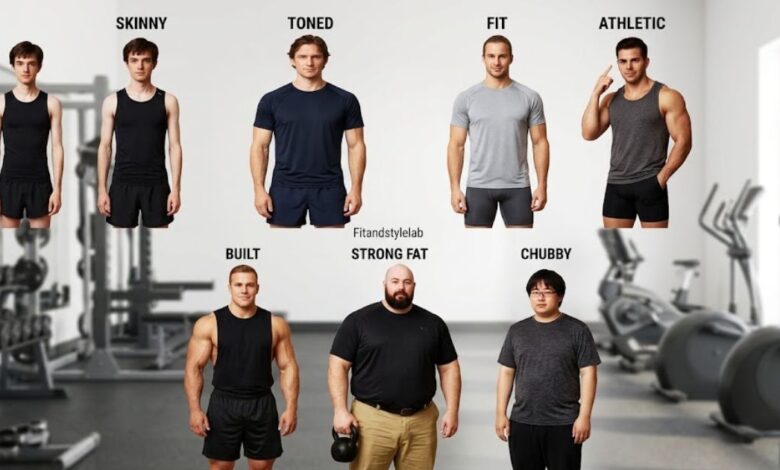
Most people use chubby and fat as if they mean the exact same thing. They don’t. Both words describe extra body weight, but they carry different tones, different levels of formality, and different emotional weight depending on who says them and who they’re said about.
Understanding the difference matters more than it seems. The word you pick can sound playful, clinical, or hurtful — even when you don’t mean it that way. This guide breaks down chubby vs fat in plain terms, so you know exactly when, where, and how to use each one.
What Does “Chubby” Mean?
Chubby describes someone who is slightly overweight in a way that reads as soft, round, or endearing rather than serious. It’s an informal word, and it almost always carries a gentler, more affectionate tone than its alternatives. People often use it to describe babies, toddlers, or pets without any negative intent at all.
The word comes from “chub,” an old English term for something thick or plump. Over time, it settled into casual conversation as a mild, non-clinical way to describe someone carrying a little extra weight. Because it leans soft rather than harsh, chubby rarely sounds like a criticism — it usually sounds like a light observation.
Common Uses of “Chubby”
- Describing a baby’s round cheeks or soft arms
- Talking about a pet, like a “chubby cat” or “chubby puppy”
- Light, friendly self-description (“I’ve gotten a bit chubby lately”)
- Casual conversation among friends, not formal or medical writing
What Does “Fat” Mean?
Fat is a direct, literal word for having a larger amount of body fat than average. Unlike chubby, it doesn’t automatically soften the meaning. It can be neutral and factual in a medical or scientific context, but in everyday conversation, it often carries a sharper, more blunt tone — and sometimes a negative one.
Context changes everything here. In a doctor’s office or a biology textbook, “fat” is simply the clinical term for adipose tissue. In casual conversation, though, calling someone fat can feel judgmental, even if that’s not the intent. This is why the same word can be completely harmless in one setting and hurtful in another.
Common Uses of “Fat”
- Clinical or scientific descriptions of body composition
- Describing food (“fat content,” “low-fat,” “fat grams”)
- Blunt, sometimes critical descriptions of a person’s body
- Reclaimed, self-chosen usage within body-positivity communities
Chubby vs Fat: Key Differences at a Glance
| Feature | Chubby | Fat |
|---|---|---|
| Tone | Soft, affectionate, playful | Direct, blunt, sometimes clinical |
| Formality | Informal, casual | Can be casual or clinical |
| Typical use | Babies, pets, mild self-description | Medical terms, food labels, blunt description |
| Emotional impact | Usually gentle | Often stronger, can feel harsh |
| Degree implied | Slightly overweight | No fixed degree; broader range |
Tone and Connotation: Why Word Choice Matters
Words about bodies rarely land as pure information. They land with feeling attached, whether the speaker intends it or not. Chubby tends to soften that feeling — it suggests “a little extra,” almost cute or harmless. Fat strips that softness away and states the observation plainly, which is exactly why it can sting more, even when no insult is meant.
This is also why context and relationship matter so much. A parent calling their baby’s legs chubby reads as loving. A stranger calling an adult fat reads as rude, even if it’s factually accurate. The words haven’t changed meaning — the situation around them has changed how they land.
Chubby vs Fat in Everyday Context
Describing Babies and Children
Chubby is the standard, accepted word for babies and young children. Round cheeks, soft arms, and a plump little belly are almost universally called “chubby,” and it’s seen as a sign of healthy growth rather than a concern. Nobody calls a baby fat — it simply isn’t how the word gets used in this context.
Describing Pets
Pet owners use chubby constantly, and almost always with affection. A “chubby cat” or “chubby golden retriever” sounds endearing, not critical. Veterinarians, on the other hand, may use more clinical language like “overweight” when discussing an animal’s health, saving “fat” for more direct, sometimes blunt commentary.
Describing Adults
This is where the two words diverge the most. Chubby, used about an adult, still tends to sound mild or even complimentary in a specific way — like it’s minimizing the weight. Fat, used about an adult, is far more likely to sound judgmental or hurtful unless the person has explicitly chosen that word for themselves.
Is It Okay to Call Someone Chubby or Fat?
The honest answer is: it depends entirely on who’s speaking, who’s listening, and what the relationship is. Neither word is automatically “safe” just because it sounds softer. Consent and context decide whether a word is acceptable, not the word itself.
A few practical guidelines:
- Never comment on someone’s body unless they’ve invited the conversation.
- Let people choose their own words for themselves — some prefer “fat” as a neutral, reclaimed term; others don’t.
- Avoid using either word as a joke or nickname without clear, enthusiastic permission.
- In professional or medical settings, use neutral clinical terms like “overweight” or “higher body weight” instead of either casual word.
Quick checklist before using either word:
- Has this person told you they’re comfortable with this word?
- Are you in a private, respectful conversation — not a public or professional one?
- Is the comment necessary, or just an unsolicited observation?
- Would you be comfortable if someone used this word about you, in this exact tone?
If you can’t confidently check every box, it’s safer to leave the comment out entirely.
Chubby vs Fat: Which Word Should You Use?
For most everyday situations — babies, pets, or light self-description — chubby is the safer, gentler choice. It rarely causes offense and fits naturally into casual conversation. Fat works best in clinical, scientific, or nutritional contexts, or when someone has specifically chosen that word to describe themselves.
Outside of those settings, the smartest move is often to avoid both words about other people entirely. Neutral phrases like “a bit heavier,” “carrying some extra weight,” or simply not commenting at all tend to be the most respectful option when you’re unsure how someone feels about their own body.
Frequently Asked Questions
Is “chubby” an insult?
Not usually. Chubby generally carries a soft, affectionate tone and is common when describing babies, pets, or used lightly in self-description. It can still feel unwelcome if said to someone who hasn’t invited the comment.
Is “fat” a rude word?
It depends on context. In medical or scientific settings, fat is a neutral, factual term. In casual conversation directed at a person, it often reads as blunt or hurtful unless that person has reclaimed the word for themselves.
What’s a more polite alternative to both words?
Neutral phrases like “overweight,” “higher body weight,” or simply avoiding body commentary altogether are generally considered more respectful in everyday conversation.
Why do people call babies chubby but not fat?
Cultural habit has shaped this pattern over time. Chubby is associated with healthy infant growth and sounds affectionate, while fat is rarely used for babies because it can sound overly clinical or even unkind in that context.
Conclusion
Chubby vs fat isn’t really a battle over which word is “correct” — it’s a difference in tone, formality, and emotional weight. Chubby tends to sound soft and affectionate, fitting naturally for babies, pets, and casual self-description. Fat is more direct and can be either neutral (in clinical settings) or blunt (in casual conversation), depending entirely on context.
The real takeaway isn’t about picking the “better” word — it’s about reading the room. Whether you choose chubby or fat, the most important factor is respect: knowing your audience, understanding the relationship, and letting people define their own bodies on their own terms.