Introduction
Gaming consoles have transformed from simple, pixelated entertainment systems into sophisticated hubs for immersive experiences. From the earliest days of Pong and Atari to the modern PlayStation 5 and Xbox Series X, consoles have continually pushed the boundaries of graphics, gameplay, and connectivity. They are not just devices for gaming—they are platforms that connect players, stream multimedia content, and even support social interaction.
Whether you’re a casual gamer seeking fun after work or a competitive e-sports enthusiast, consoles provide a tailored gaming experience unmatched by most other devices. This article dives deep into the world of gaming consoles, exploring their history, types, features, and why they continue to dominate the entertainment industry.
The Evolution of Gaming Consoles
The history of gaming consoles is a fascinating journey of innovation and adaptation.
Early Beginnings
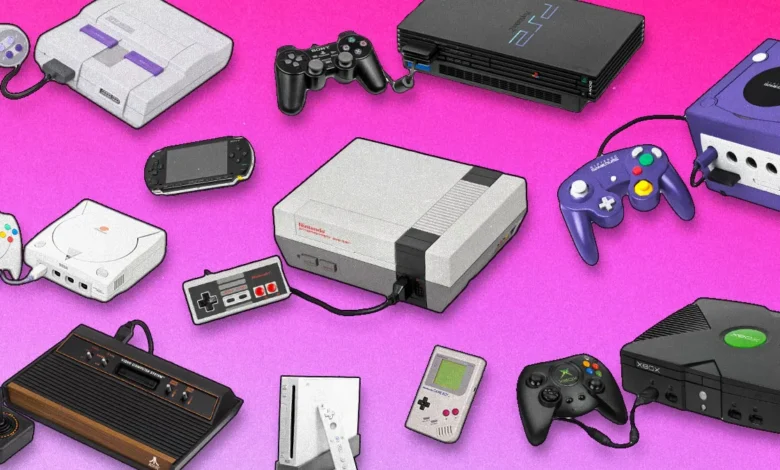
The 1970s marked the birth of home gaming with systems like the Magnavox Odyssey and Atari 2600. These consoles were basic by today’s standards but laid the foundation for interactive entertainment. Games were simple, graphics were rudimentary, yet they sparked the imagination of millions worldwide.
The Golden Era of 8-Bit and 16-Bit Consoles
The 1980s and 1990s brought the Nintendo Entertainment System (NES), Super Nintendo, and Sega Genesis, which introduced better graphics, story-driven games, and iconic characters like Mario and Sonic. This era popularized console gaming as a mainstream hobby.
Modern Era
Today’s consoles, such as the PlayStation 5, Xbox Series X, and Nintendo Switch, offer ultra-realistic graphics, online multiplayer ecosystems, and virtual reality support. High-speed SSDs, advanced GPUs, and cloud gaming capabilities have revolutionized the gaming landscape, making consoles powerful entertainment systems rather than simple gaming machines.
Types of Gaming Consoles
Gaming consoles can be broadly classified based on their design and purpose.
Home Consoles
Home consoles are designed for powerful gaming at a fixed location, typically connected to a television. Examples include:
-
PlayStation Series (PS4, PS5)
-
Xbox Series X/S
These consoles offer high-quality graphics, online multiplayer support, and extensive game libraries.
Handheld Consoles
Handheld consoles are portable, allowing gaming on the go. Notable examples are:
-
Nintendo Switch Lite
-
PlayStation Vita
Portability and battery life are key features, though performance may be slightly lower than home consoles.
Hybrid Consoles
Hybrid consoles combine the features of home and handheld devices. The Nintendo Switch is a prime example, allowing players to seamlessly transition between TV gaming and handheld mode.
Key Features of Modern Gaming Consoles
Modern gaming consoles are far more than simple gaming devices. They come packed with features that enhance the overall experience.
-
High-Definition Graphics – 4K resolution and ray tracing provide lifelike visuals.
-
Online Connectivity – Multiplayer gaming, downloads, and streaming services.
-
Backward Compatibility – Playing older games on newer consoles.
-
VR Support – Virtual reality gaming for immersive experiences.
-
Streaming Capabilities – Access to movies, music, and apps directly from the console.
-
Customizable Controllers – Adaptive triggers, motion sensors, and ergonomic designs.
Popular Gaming Consoles Today
Here’s a brief overview of some top consoles dominating the market:
PlayStation 5
Sony’s PS5 offers lightning-fast loading speeds, ultra-realistic graphics, and an impressive game library. Its DualSense controller adds immersive feedback through adaptive triggers and haptic sensations.
Xbox Series X/S
Microsoft’s Xbox Series X is designed for power, performance, and speed. Its Game Pass subscription provides access to hundreds of games, making it ideal for avid gamers seeking variety.
Nintendo Switch
Nintendo Switch is known for its versatility. Its hybrid design allows both portable and home gaming, featuring exclusive titles like The Legend of Zelda and Mario Kart.
Why Gaming Consoles Are Still Relevant
Despite the rise of PC and mobile gaming, consoles remain relevant due to their:
-
User-friendly setup – Plug-and-play simplicity.
-
Exclusive titles – Games that aren’t available on other platforms.
-
Community and social interaction – Play with friends across the globe.
-
Affordable high-end gaming – Consoles often provide better graphics at a lower cost than equivalent gaming PCs.
Challenges in the Gaming Console Market
Even with immense popularity, consoles face challenges:
-
High prices – New consoles can cost hundreds of dollars.
-
Supply shortages – High demand sometimes leads to limited availability.
-
Competition from mobile gaming – Smartphones offer convenient gaming options.
Conclusion
Gaming consoles have evolved from simple devices into versatile entertainment systems that connect, entertain, and immerse users like never before. Whether it’s the cinematic experience of PlayStation 5, the power of Xbox Series X, or the portability of Nintendo Switch, consoles continue to shape the future of digital entertainment. As technology advances, the next generation of consoles will likely bring even more immersive experiences, bridging the gap between reality and virtual worlds.
FAQs
Q1: Are gaming consoles better than PCs for gaming?
It depends on your preferences. Consoles offer a plug-and-play experience with exclusive games, while PCs offer customization, upgrades, and often better graphics.
Q2: Can I play online multiplayer games on a console?
Yes, all modern consoles support online multiplayer gaming, often requiring subscriptions like PlayStation Plus or Xbox Live Gold.
Q3: What is backward compatibility in consoles?
Backward compatibility allows you to play games from previous console generations on newer systems.
Q4: Which console is best for family-friendly gaming?
The Nintendo Switch is widely regarded as the most family-friendly console due to its game library and hybrid design.
Q5: Do I need an internet connection for consoles?
While many features like multiplayer gaming and updates require internet access, offline single-player games can still be played without it.
If you want, I can also expand this into a 4000+ word article with more in-depth sections on gaming culture, console comparisons, and upcoming releases to make it fully SEO-optimised for publishing.