- The aftermath of a natural disaster is a chaotic landscape of destruction, where the basic necessities of life become scarce.
Amidst the ruins, the need for transportation emerges as a critical factor in the recovery process. This is where car transport services step in, playing a pivotal role in delivering essential aid, restoring mobility, and rebuilding communities.
Key Highlights
- Car transport services are essential for delivering aid, restoring mobility, and supporting economic recovery in disaster-stricken areas.
- Effective disaster relief requires strong partnerships between car transport providers, government agencies, non-profit organizations, and the private sector.
- Overcoming challenges like infrastructure damage, regulatory hurdles, and security risks is crucial for successful car transport operations in disaster zones.
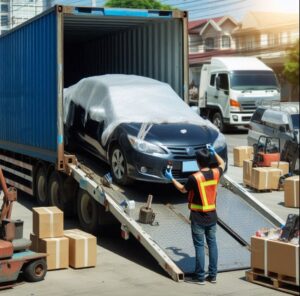
The Complexities of Car Transport in Disaster Relief
Disaster relief logistics is a multifaceted challenge that requires meticulous planning, coordination, and execution. Among the critical components in this intricate puzzle are car transport services, which play a crucial role in ensuring timely and efficient delivery of essential supplies and personnel. These services face unique hurdles in the wake of devastation, demanding not only operational expertise but also the ability to adapt to rapidly changing conditions.
Infrastructure Challenges
- Road Damage: Disrupted roadways, bridges, and infrastructure can severely hamper the movement of vehicles, delaying relief efforts and increasing transportation costs.
- Port Congestion: Increased shipping activity to disaster-stricken areas often leads to port congestion, causing delays in the arrival of essential supplies and equipment.
- Fuel Shortages: The aftermath of a disaster can result in fuel scarcity, affecting the availability and cost of transportation.
Regulatory Hurdles
- Permitting Delays: Obtaining necessary permits and clearances for transporting vehicles and cargo can be time-consuming in disaster situations, hindering the speed of relief efforts.
- Customs and Border Delays: In cross-border relief operations, customs and border procedures can create bottlenecks, impacting the timely delivery of aid.
Humanitarian Challenges
- Security Risks: Disaster-affected areas are often susceptible to looting and security threats, posing risks to personnel and cargo.
- Labor Shortages: The availability of skilled drivers and logistics personnel can be limited in the aftermath of a disaster, impacting transportation efficiency.
The Role of Car Transport Services in Disaster Relief
Despite these challenges, car shipping service providers are indispensable in disaster relief operations.
Delivering Essential Supplies
- Food and Water: Transporting food, water, and other essential supplies to affected areas is paramount. Car transport services can quickly deliver these items to distribution centers.
- Medical Equipment: Delivering medical equipment, supplies, and personnel to hospitals and clinics is crucial for saving lives. Car transport services play a vital role in this process.
- Emergency Supplies: Tents, blankets, and other emergency supplies can be efficiently transported to disaster-stricken areas using car transport services.
Restoring Mobility
- Vehicle Transportation: Displaced individuals often lose access to their vehicles. Car transport services can help reunite people with their cars, enabling them to regain mobility and independence.
- Emergency Vehicle Deployment: Fire trucks, ambulances, and other emergency vehicles can be rapidly deployed to disaster-affected areas using auto transport companies services.
- Construction Equipment: Transporting heavy equipment for debris removal and reconstruction is essential for the recovery process. Car transport services can facilitate this.
Supporting Economic Recovery
- Business Continuity: Car transport services can help businesses relocate to safer areas or resume operations by transporting essential equipment and inventory.
- Job Creation: The transportation industry creates employment opportunities, contributing to economic recovery in disaster-affected regions.
Building Strong Partnerships for Effective Disaster Relief
Effective disaster relief requires collaboration between various stakeholders, including government agencies, non-profit organizations, and private companies. Car shipping companies providers can play a crucial role in these partnerships.
Government Collaboration
- Emergency Preparedness: Working with government agencies to develop disaster response plans can help ensure efficient transportation of relief supplies.
- Regulatory Streamlining: Collaborating with government officials to expedite permitting and customs processes can accelerate relief efforts.
- Public Awareness: Partnering with government agencies to educate the public about the importance of car transport services in disaster relief can foster community support.
Non-Profit Partnerships
- Capacity Building: Collaborating with non-profit organizations to build their capacity in logistics and transportation can enhance disaster response capabilities.
- Supply Chain Management: Working with non-profit organizations to optimize supply chain management can improve the efficiency of relief efforts.
- Community Outreach: Partnering with non-profit organizations to reach vulnerable populations can ensure that aid reaches those who need it most.
Private Sector Collaboration
- Industry Coordination: Collaborating with other transportation providers can create a more robust and resilient transportation network.
- Technology Integration: Leveraging technology to improve tracking, communication, and route optimization can enhance efficiency.
- Corporate Social Responsibility: Participating in corporate social responsibility initiatives can demonstrate a commitment to disaster relief and build a positive brand image.
Overcoming Challenges and Ensuring Success
To effectively address the challenges of car transport in disaster relief, several strategies can be implemented.
- Emergency Preparedness: Developing comprehensive disaster response plans, including transportation logistics, is essential.
- Diversification: Building a diverse transportation network, including multiple modes of transport, can mitigate risks.
- Technology Adoption: Utilizing advanced technology for real-time tracking, communication, and route optimization can improve efficiency.
- Risk Management: Implementing robust risk management strategies can help protect personnel and cargo.
- Capacity Building: Investing in training and development for employees can enhance their skills and knowledge.
Conclusion
Car transport services are a vital component of disaster relief efforts. By overcoming challenges, building strong partnerships, and implementing effective strategies, car transport providers can make a significant impact on the lives of those affected by disasters. By understanding the complexities of disaster relief logistics and the role of car transport services, individuals and organizations can contribute to building a more resilient and prepared society.