What Is Psoriasis?
Psoriasis is a chronic autoimmune condition that primarily affects the skin, characterized by the rapid growth of skin cells leading to thick, red, scaly patches that can be itchy and sometimes painful. It’s more than just a skin disorder; it involves an overactive immune system and has been linked to other health issues, including arthritis and cardiovascular disease. Understanding psoriasis and its impact is crucial for managing symptoms and improving quality of life.
Psoriasis Look Like?
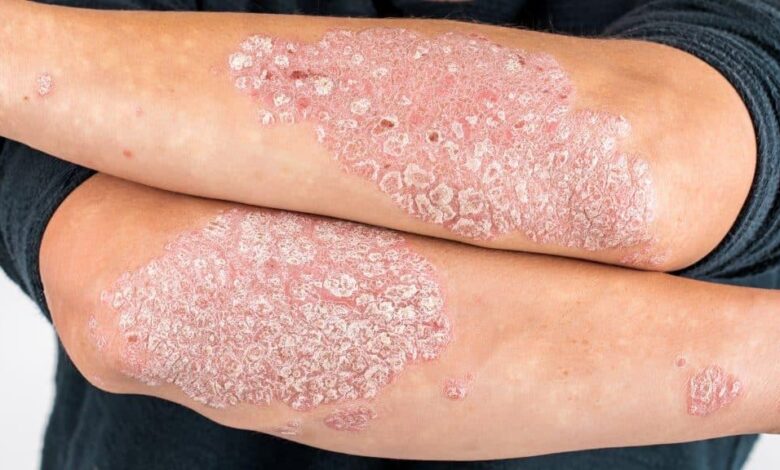
This condition manifests in various ways, depending on the type and severity. Typically, psoriasis results in patches of thick, red skin with silvery scales. These patches can appear anywhere on the body but are most commonly found on the scalp, elbows, knees, and lower back. The affected areas can be small and localized or cover large portions of the body. To get a better understanding of
what does psoriasis looks like, one can refer to dermatological resources or seek advice from healthcare providers who can provide images and more detailed descriptions.
What Are The Types Of Psoriasis?
There are several types of psoriasis, each with distinct characteristics:
- Plaque Psoriasis: The most common form, characterized by dry, raised, red skin lesions (plaques) covered with silvery scales.
- Guttate Psoriasis: This type often starts in childhood or young adulthood, presenting as small, water-drop-shaped sores on the trunk, arms, legs, and scalp.
- Inverse Psoriasis: Shows up as bright red, shiny lesions that appear in skin folds, such as under the breasts, in the groin, or around the genitals and buttocks.
- Pustular Psoriasis: Characterized by white pustules (blisters of noninfectious pus) surrounded by red skin.
- Erythrodermic Psoriasis: The least common type of psoriasis, erythrodermic psoriasis can cover your entire body with a red, peeling rash that can itch or burn intensely.
What Part Of My Body Will Psoriasis Affect?
Psoriasis can develop on any part of the body, although it’s most commonly seen on the scalp, elbows, knees, and torso. Some types, like inverse psoriasis, predominantly affect skin folds. Psoriasis patches can vary in size and severity, and the areas affected can change over time.
What Is Psoriatic Arthritis?
Approximately 30% of individuals with psoriasis also develop psoriatic arthritis, an inflammatory type of arthritis. Psoriatic arthritis can cause swelling, stiffness, and pain in the joints and areas where tendons and ligaments attach to bone (entheses). It can affect any joint and might lead to permanent joint damage if not treated early and aggressively.
Who Does Psoriasis Affect And How Common Is It?
Psoriasis can start at any age, but there are two peaks of onset: between 15-25 years and 50-60 years. It affects both males and females equally. According to studies, psoriasis affects about 2-3% of the world’s population, making it a relatively common condition. It has a genetic component, so family history can play a crucial role in its development.
Is Psoriasis The Same As Eczema?
While both psoriasis and eczema cause patches of red, dry skin, there are key differences. Eczema usually arises from an allergic reaction or irritation, leading to itchy, inflamed skin, and it often appears in childhood. Psoriasis is an autoimmune condition with a different pattern of redness and silvery scales, typically starting later in life. Knowing these differences is crucial for proper diagnosis and treatment.
Conclusion
Psoriasis is a complex autoimmune skin condition that varies greatly in severity and type. Effective management relies on a combination of lifestyle changes, medication, and therapies tailored to individual needs. Advances in treatment are helping many people manage symptoms and lead active lives.
FAQs
What triggers psoriasis?
Triggers vary but can include stress, injury to the skin, certain medications, and infections.
Is psoriasis contagious?
No, psoriasis is not contagious. It cannot be passed from person to person.
Can psoriasis be cured?
While there is no cure for psoriasis, many treatments are available to help manage symptoms and prevent flare-ups.