Mash Filming: A Complete Look at the Production Behind the Classic Series

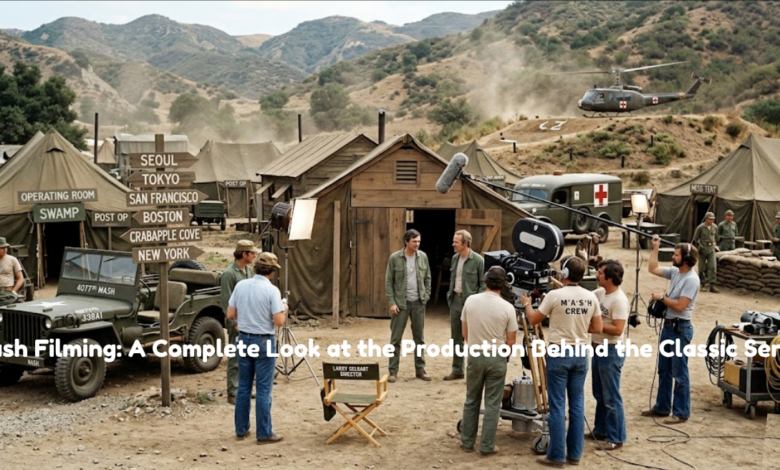
Mash filming refers to the production process behind the legendary television series M*A*S*H, one of the most iconic and influential shows in television history. Airing from 1972 to 1983, the series combined comedy and drama to portray the lives of doctors and staff stationed at a Mobile Army Surgical Hospital during the Korean War. The show became famous not only for its storytelling but also for its unique filming techniques and production style.
Understanding mash filming provides fascinating insights into how television production evolved during the 1970s and 1980s. From innovative camera work to realistic set designs, the series pushed creative boundaries and changed the way sitcoms were filmed.
This article explores the filming locations, production methods, behind-the-scenes challenges, and the legacy of mash filming.
The Origins of the Mash Story
Before the television adaptation, the story of MAS*H originated from the novel MASH: A Novel About Three Army Doctors written by Richard Hooker. The book was later adapted into the 1970 film M*A*S*H, directed by Robert Altman.
The success of the movie inspired the creation of the television series, which expanded the storylines and introduced memorable characters. The transition from film to television required a carefully planned filming strategy that balanced comedy, drama, and realism.
Filming Locations of MAS*H
One of the most important aspects of mash filming was its filming location. Most of the outdoor scenes were filmed at Malibu Creek State Park, located near Malibu.
The location provided a rugged landscape that resembled the terrain of Korea during wartime. Producers built a full outdoor set that included:
- Medical tents
- Military vehicles
- Helicopter landing areas
- Mess tents
- Camp structures
This outdoor set helped create an authentic wartime atmosphere. The site eventually became one of the most recognizable filming locations in television history.
Meanwhile, indoor scenes were filmed on sound stages at 20th Century Fox Studios in Los Angeles.
The Unique Filming Style
Mash filming introduced a distinctive visual style that differed from traditional sitcoms. Most sitcoms during that era were filmed with multiple cameras in front of a live audience. However, MAS*H adopted a more cinematic approach.
Single-Camera Technique
The production team frequently used a single-camera setup, allowing for greater control over shots and angles. This technique gave the show a more realistic, film-like appearance.
Outdoor Realism
Unlike many sitcoms confined to indoor studios, MAS*H relied heavily on outdoor filming. This helped create a sense of realism and immersion in the war environment.
Mobile Camera Movement
Directors used moving cameras and dynamic framing instead of static shots. This approach helped portray the chaos and urgency of wartime medical situations.
Iconic Helicopter Scenes
One of the most memorable aspects of mash filming involved helicopter scenes. These scenes depicted wounded soldiers arriving at the hospital.
Real helicopters were used during filming to enhance realism. The aircraft frequently landed on the outdoor set, kicking up dust and adding intensity to the scenes.
These sequences required careful coordination between pilots, actors, and crew members to ensure safety while capturing dramatic moments.
Set Design and Authenticity
The set design played a crucial role in mash filming. The production team aimed to create an authentic wartime environment.
Medical Equipment
The surgical rooms were designed with realistic medical tools and equipment. Actors were trained to handle instruments properly to maintain authenticity.
Military Details
Military uniforms, vehicles, and camp equipment were carefully researched to reflect the era of the Korean War.
Weather Effects
The outdoor location exposed the set to natural weather conditions, which sometimes enhanced the realism of scenes.
Challenges During Filming
Mash filming was not without challenges. The cast and crew faced several obstacles throughout production.
Extreme Weather
Outdoor filming meant dealing with hot summers, cold winters, and occasional rain. These conditions often made long shooting days difficult.
Dust and Wind
The helicopter landings created large dust clouds that affected visibility and comfort for actors and crew members.
Long Production Schedule
With over 250 episodes produced, the cast and crew spent more than a decade filming the series. Maintaining consistency and energy over such a long period required dedication.
Cast Contributions to the Filming Process
The actors of MAS*H played an important role in shaping the filming process.
The show featured memorable performances from actors such as:
- Alan Alda
- Loretta Swit
- Jamie Farr
- Mike Farrell
Many cast members contributed creative ideas, dialogue adjustments, and character development suggestions during filming.
Alan Alda, in particular, later directed several episodes and helped shape the show’s tone.
The Impact of Mash Filming on Television
Mash filming had a significant influence on television production techniques.
Blending Comedy and Drama
The show pioneered the “dramedy” format, combining humor with serious topics such as war, loss, and morality.
Realistic Production Methods
The use of location shooting and cinematic camera techniques influenced many later television shows.
Character-Driven Storytelling
Instead of relying solely on jokes, the series focused on character development and emotional depth.
The Historic Final Episode
The final episode of the series, Goodbye, Farewell and Amen, aired in 1983 and became one of the most watched television broadcasts in history.
Over 100 million viewers tuned in to watch the conclusion of the series. The filming of the finale was an emotional experience for the cast and crew, marking the end of a groundbreaking show.
Visiting the Mash Filming Location Today
Today, fans can visit the former filming site at Malibu Creek State Park. Although the original set structures were removed, some remnants remain.
Visitors often hike to the location where the camp once stood, taking photos and remembering the iconic television series.
The site has become a popular destination for television and film enthusiasts.
Legacy of Mash Filming
Mash filming left a lasting legacy in the entertainment industry. The show’s production methods influenced future television creators and demonstrated that sitcoms could address serious topics while still entertaining audiences.
Decades after its finale, MAS*H remains widely respected for its storytelling, acting, and innovative filming style.
The dedication of its cast and crew helped create a timeless series that continues to be watched by new generations.
FAQs About Mash Filming
What does mash filming refer to?
Mash filming refers to the production process behind the television series MAS*H, including its filming locations, camera techniques, set design, and behind-the-scenes operations.
Where was MAS*H filmed?
Outdoor scenes were primarily filmed at Malibu Creek State Park in California, while indoor scenes were filmed at 20th Century Fox Studios in Los Angeles.
Was MAS*H filmed on location?
Yes. Many outdoor scenes were filmed on location to create a realistic wartime environment that resembled Korea during the Korean War.
Were real helicopters used in mash filming?
Yes, real helicopters were used in many scenes to depict wounded soldiers arriving at the hospital camp.
How long did MAS*H run on television?
The series aired from 1972 to 1983 and produced 11 seasons with more than 250 episodes.
Why is mash filming considered innovative?
Mash filming was innovative because it used cinematic camera techniques, outdoor locations, and a blend of comedy and drama that was unusual for television sitcoms at the time.
Can fans visit the mash filming location?
Yes, fans can visit Malibu Creek State Park in California, where many outdoor scenes of the series were filmed.
Conclusion
Mash filming played a major role in the success of the television series MAS*H. Through creative filming techniques, realistic locations, and dedicated performances from the cast, the show achieved a level of authenticity rarely seen in television at the time.
Its production style influenced many later television programs and helped redefine what a sitcom could accomplish. Even decades later, the legacy of mash filming continues to inspire filmmakers, actors, and television creators around the world.