Changing a tire is one of those essential skills that every driver should master. Whether you’re stranded on the side of the road or just want to be prepared for emergencies, knowing how to change a tire can save you time, money, and a lot of stress. In this article, we will walk you through the step-by-step process of changing a tire, provide some useful tips, and answer some frequently asked questions. With this guide, you’ll feel confident enough to handle a tire change whenever you need it.
Why Knowing How to Change a Tire is Important
One of the most common car problems that drivers face is a flat tire. Whether it’s from a sharp object on the road or natural wear and tear, a flat tire is an inevitable part of car ownership. Understanding how to change a tire gives you the independence to solve the problem without waiting for roadside assistance or paying for expensive services.
Learning to change a tire is also an essential safety measure. In case of an emergency, you can take immediate action, ensuring that you are not stuck in a potentially dangerous situation, such as a busy highway or isolated area.
Tools You’ll Need for Changing a Tire
Before you begin, make sure you have all the necessary tools. Here’s a list of items you’ll need:
- Spare Tire: Your car should have a spare tire stored in the trunk or underneath the vehicle.
- Jack: The jack is used to lift your vehicle off the ground so that you can remove the flat tire.
- Lug Wrench: This tool is used to remove and replace the lug nuts that hold the tire in place.
- Wheel Chocks: These are placed behind the tires to prevent the car from rolling while it’s lifted.
- Tire Pressure Gauge: It’s essential to check that the spare tire has the correct air pressure before you begin the change.
- Gloves and Flashlight: For better grip and to ensure safety, wear gloves and carry a flashlight, especially if you are changing the tire at night.
Step-by-Step Guide to Changing a Tire
Changing a tire may seem daunting at first, but by following these simple steps, you can do it in no time. Here’s how:
Step 1: Prepare the Vehicle
First, make sure that the car is parked on a flat, stable surface. Turn off the engine, engage the parking brake, and ensure that the car is in “Park” (for automatic transmission) or in gear (for manual transmission).
Place wheel chocks behind the tires that remain on the ground to ensure the car doesn’t roll.
Step 2: Loosen the Lug Nuts
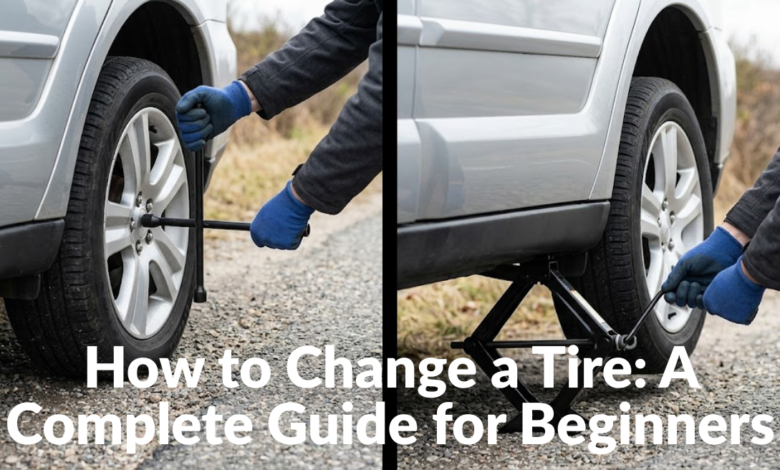
Using the lug wrench, loosen the lug nuts on the flat tire. Don’t remove them completely at this point; just break the initial tightness. It’s important to do this while the car is still on the ground, as this will provide stability and prevent the tire from spinning.
Step 3: Jack Up the Vehicle
Now it’s time to lift the vehicle using the jack. Position the jack under the car’s designated jacking point (refer to the owner’s manual for exact placement) and raise the vehicle until the flat tire is off the ground.
Ensure that the car is stable and doesn’t wobble as you raise it. Never place any body part or object underneath the vehicle while it is raised.
Step 4: Remove the Lug Nuts and Flat Tire
Once the car is lifted, finish removing the loosened lug nuts. Keep them in a safe spot because you’ll need them later.
Carefully pull the flat tire off the wheel hub. If the tire is stuck, gently rock it back and forth to free it.
Step 5: Install the Spare Tire
Align the spare tire with the wheel hub and place it onto the studs. Once it’s in place, press it firmly against the vehicle.
Now, hand-tighten the lug nuts onto the spare tire. Don’t fully tighten them yet—just make sure they’re secure enough to hold the tire in place.
Step 6: Lower the Vehicle
Slowly lower the vehicle back to the ground using the jack. Once the car is fully on the ground, remove the jack and put it back in your car.
Step 7: Tighten the Lug Nuts
With the vehicle back on the ground, tighten the lug nuts in a crisscross pattern. This ensures an even distribution of pressure on the tire. Use the lug wrench to apply enough force, but don’t overtighten. Your goal is to make sure the tire is secure, but without damaging the studs.
Step 8: Check the Tire Pressure
Before you finish, check the tire pressure of your spare tire with a tire pressure gauge. Ensure that it meets the recommended pressure listed in your vehicle’s manual or on the tire itself.
Step 9: Clean Up and Drive Safely
Once everything is secure and in place, pack up your tools and the flat tire, then store them in your vehicle. Drive safely to a tire repair shop to have your flat tire repaired or replaced.
Tips for Maintaining Your Tires
- Regular Tire Checks: Make it a habit to check the condition and pressure of your tires regularly.
- Keep the Spare Tire in Good Condition: Ensure that your spare tire is properly inflated and in good shape. Replace it if it’s too worn.
- Rotate Your Tires: Regular tire rotation helps ensure even wear and prolongs the life of your tires.
- Avoid Overloading Your Car: Overloading puts unnecessary strain on your tires, making them more prone to damage.
FAQs
1. How long does it take to change a tire?
Changing a tire typically takes 30 to 45 minutes, depending on your experience and the tools available. Once you’re familiar with the process, it could be completed in as little as 15 to 20 minutes.
2. What if I don’t have a spare tire?
If you don’t have a spare tire, you’ll need to call for roadside assistance or have your tire repaired at a local service center. Some modern vehicles come with a tire repair kit instead of a spare, so it’s important to check your vehicle’s equipment.
3. How do I know when my tires need to be replaced?
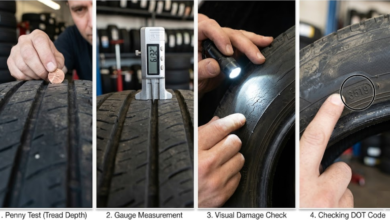
Tires should be replaced when the tread is worn down to 2/32 of an inch or less. If you notice cracks, bulges, or punctures that cannot be repaired, it’s time for a new tire. Regular tire inspections are essential for maintaining safe driving conditions.
4. Can I drive on a flat tire for a short distance?
It’s not recommended to drive on a flat tire for any distance. Driving on a flat can cause further damage to the tire and the wheel. If you must move the car, drive at a very slow speed and avoid putting too much strain on the damaged tire.
5. Can I change a tire on my own if I have no experience?
Yes, you can! With a bit of practice, changing a tire is a simple task. Follow the step-by-step guide provided in this article, and don’t hesitate to ask for help if needed. Many people learn to change their tire by watching videos or practicing in a safe environment.
Conclusion
Knowing how to change a tire is an essential skill that every driver should have in their arsenal. By following the steps outlined in this guide, you can confidently tackle a flat tire and get back on the road. Keep your tools in good condition, check your spare tire regularly, and always be prepared for unexpected situations. With a little practice, you’ll become a pro at changing tires in no time!