Have you ever wondered how professional chefs achieve perfectly cooked steaks, juicy chicken breasts, and tender vegetables every time? The secret is sous vide cooking. Sous vide (pronounced “soo veed”) is a French cooking technique that means “under vacuum.” It involves cooking food in a temperature-controlled water bath for precise and consistent results.
If you’re new to sous vide, this article will cover everything you need to know, from the basics to expert-level tips. Let’s get started!
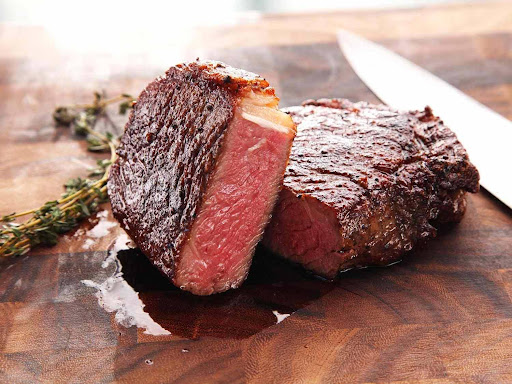
Sous Vide Results
Why choose sous vide? Here’s what makes it special:
- Perfect Doneness: Achieve precise results every time, whether it’s medium-rare steak or silky custards.
- Enhanced Flavor: Cooking in a sealed bag locks in juices and aromas.
- Tender Texture: Low and slow cooking breaks down tough fibers without overcooking.
- Consistency: Say goodbye to guesswork—sous vide ensures even cooking from edge to edge.
Essential Equipment for Sous Vide
When it comes to sous vide cooking, having the right equipment is key to achieving perfect results. Here are the two main types of sous vide machines you can choose from:
-
Traditional Sous Vide Cooker (Immersion Circulator)
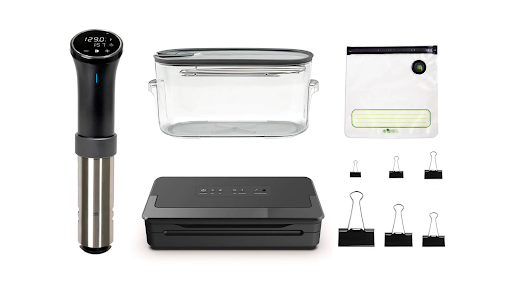
A traditional sous vide cooker, also known as an immersion circulator, is a compact device that clips onto the side of a pot or container. It heats and circulates water to maintain a precise temperature.
Pros:
- Affordable: Typically less expensive than all-in-one machines.
- Portable: Easy to move and store.
- Versatile: It can be used in any heatproof container.
Cons:
- Requires a separate container and lid.
- May take up more counter space when in use.
Best For: Home cooks who want a cost-effective and flexible option.
-
All-in-One Sous Vide Machine

An all-in-one sous vide machine integrates everything you need to sous vide, including the circulator tower, sous vide container, vacuum bag, vacuum sealer, and snap weight. No need to buy extra equipment or piecemeal your setup together.
Pros:
- Convenient: No need for a separate container or lid.
- Compact: Takes up less space when not in use.
- User-Friendly: Often comes with preset programs and intuitive controls.
Cons:
- Higher Cost: Generally more expensive than immersion circulators.
- Less Versatile: Limited to the included container.
Best For: Those who prefer a dedicated, hassle-free sous vide setup.
How to Sous Vide: Step-by-Step Guide
Step 1: Season
Season your food with salt, pepper, herbs, or spices. Avoid adding too much liquid (like marinades) as it can dilute the flavors.
Step 2: Seal
Place the food in a vacuum-sealed bag or a resealable bag. If using a resealable bag, use the water displacement method: submerge the bag in water (except the seal) to push out air, then seal it.
Step 3: Sous Vide
Fill your container with water and attach the sous vide machine. Set the temperature according to your recipe (see recommended times and temperatures below).
Once the water reaches the desired temperature, submerge the bag and cook for the recommended time.
Step 4: Sear
After cooking, remove the food from the bag and pat it dry with paper towels. Sear it in a hot skillet, with a torch, or on a grill to develop a flavorful crust.
Recommended Sous Vide Cooking Times and Temperatures
For Steak
- Rare: 120°F (49°C) for 1-2 hours
- Medium-Rare: 129°F (54°C) for 1-2 hours
- Medium: 135°F (57°C) for 1-2 hours
- Well-Done: 145°F (63°C) for 1-2 hours
For Chicken Breast
- Tender and juicy: 145°F (63°C) for 1.5-2.5 hours
- Traditional texture: 160°F (71°C) for 1-2 hours
For Salmon
- Medium-Rare: 115°F (46°C) for 30-45 minutes
- Medium: 130°F (54°C) for 30-45 minutes
For Vegetables
- Carrots: 183°F (84°C) for 1-2 hours
- Asparagus: 180°F (82°C) for 10-15 minutes
- Potatoes: 190°F (88°C) for 1.5-2 hours
Tips for Perfect Sous Vide Cooking
- Preheat the water before adding food to ensure precise cooking times.
- Use fresh herbs and aromatics inside the bag for enhanced flavors.
- Keep the water circulating by ensuring no bag blocks the machine’s flow.
- Experiment with finishing techniques like grilling, broiling, or torching for different textures.
- Use ice baths to cool down food if it is stored for later use quickly.
Common Mistakes to Avoid
- Not sealing the bag properly – Air pockets can lead to uneven cooking.
- Using too high a temperature – Sous vide is about precision, so stick to the recommended settings.
- Skipping the sear – While sous vide cooks the inside perfectly, a good sear gives texture and depth of flavor.
- Overcrowding the water bath – Ensure enough space for water to circulate the food.
Conclusion
Sous vide cooking is a game-changer for home chefs, offering unmatched precision, convenience, and flavor. Whether making a juicy steak, tender chicken, or perfectly cooked vegetables, this technique ensures consistent, high-quality results every time. With some practice and the right equipment, you’ll be cooking restaurant-quality meals at home in no time.