Rat bites can pose serious health risks, and it’s crucial to understand the implications if you encounter such a situation. A rat bite can make you sick, potentially exposing you to various infections and diseases. The bacteria in rat saliva can lead to illnesses like rat-bite fever, requiring prompt medical attention.
If you are bitten, cleaning the wound thoroughly and seeking medical advice is essential. Early intervention can help prevent complications and ensure your health is protected. Understanding the risks associated with rat bites empowers you to take informed action.
Risks Associated with Rat Bites
Rat bites can pose serious health risks due to the variety of diseases they may transmit. Understanding these risks is crucial for anyone exposed to rats or their environments.
Types of Diseases Transmitted by Rat Bites
Rat bites can transmit several diseases. Notable among them are Leptospirosis, Hantavirus, and Rat-Bite Fever.
- Leptospirosis: This bacterial infection can lead to symptoms ranging from mild flu-like issues to severe liver and kidney damage.
- Hantavirus: Though primarily spread through inhalation of droppings, bites can also be a transmission route. This virus can lead to severe respiratory issues.
- Rat-Bite Fever: This disease, characterized by fever, rash, and joint pain, can arise from direct contact with infected rats.
These conditions highlight the potential dangers associated with rat bites.
Symptoms and Immediate Response
If bitten by a rat, you might experience immediate symptoms such as pain, swelling, or bleeding at the bite site. It’s important to clean the wound thoroughly with soap and water.
Observe for additional symptoms like fever, chills, or rash in the following days. If you notice these signs, seek medical attention promptly. Medical professionals may recommend a tetanus shot or prescribe antibiotics to prevent infection, especially if there’s a risk of disease transmission.
Ignoring symptoms can lead to serious complications, potentially increasing the severity of any infections.
Long-Term Health Implications
Long-term health effects from rat bites can be significant. Some diseases like Leptospirosis and Hantavirus can lead to chronic health issues if not treated immediately.
- Chronic kidney disease: Can result from untreated Leptospirosis.
- Respiratory issues: Hantavirus can lead to long-term pulmonary problems, affecting quality of life.
If you develop any ongoing symptoms after a rat bite, it is crucial to maintain open communication with your healthcare provider to monitor and manage any health implications effectively.
Preventive Measures and Safety
Taking steps to protect yourself from rat bites is essential. You can always call for a certified pest control exterminator service if you don’t know what to do. Effective preventive measures can significantly reduce your risk of exposure to rats and associated health issues.
Rat Proofing Your Home and Environment
Begin by sealing entry points in your home. Inspect for gaps in walls, floors, and foundations. For small openings, use materials like steel wool and caulk. Larger holes may require hardware cloth or metal flashing.
Keep your living area clutter-free. Store food in airtight containers and dispose of garbage properly. Regularly clean up crumbs and spills to avoid attracting rats.
Consider landscaping modifications. Trim back trees and bushes near your home to minimize hiding spots. Ensure gutters and downspouts are clear to avoid water accumulation, which can attract rats.
Best Practices for Avoiding Rat Bites
Avoid direct contact with rats. If you encounter a rat, do not attempt to catch or handle it. Instead, back away slowly and let it escape.
Wear gloves when handling items potentially contaminated by rats, such as trash or food, and wash your hands thoroughly after any contact.
Be cautious of areas known for heavy rat populations. Awareness is key in regions like Allen. Educate yourself on local rat activity and areas prone to infestations, and maintain vigilance in these places.
When to Seek Professional Pest Control
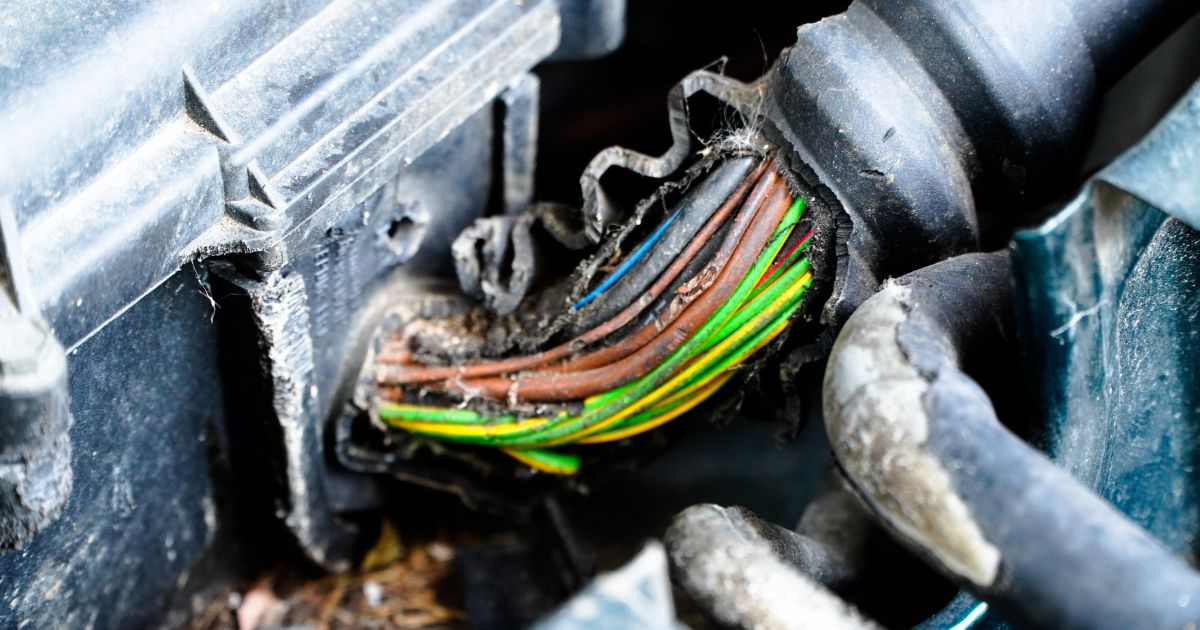
If you notice signs of rats in your home, such as droppings, nests, or gnaw marks, it’s time to act. Contact a pest control expert who can assess the situation.
Professionals can provide tailored solutions based on the severity of the infestation. They employ safe methods for your family and pets while managing the rat population effectively.
After a rat bite, seek medical advice promptly. Experts can guide you on necessary treatments and help reduce the potential transmission of diseases common with rat bites.
Response and Treatment
If you experience a rat bite, prompt action is essential. Knowing how to respond effectively can prevent infections and other complications. Here are the key steps for first aid, medical treatment, and follow-up care.
First Aid for Rat Bites
Immediately wash the bite area with soap and warm water for at least 15 minutes. This helps remove bacteria and reduces the risk of infection. After cleaning, apply an antiseptic solution to the wound.
Cover the bite with a sterile bandage to protect it from dirt and further injury. Observe for signs of infection, including increased redness, swelling, or pus. If any of these symptoms develop, seek medical attention promptly.
Medical Treatment and Vaccination
Visit a healthcare professional, especially if the bite is deep or shows signs of infection. The doctor may prescribe antibiotics to prevent or treat infections.
You may need a tetanus shot or rabies vaccination, depending on your vaccination history. Rabies is a concern primarily in cases involving wild rats, so discuss your specific situation with your doctor for appropriate recommendations.
Follow-Up Care for Bite Victims
Monitor the wound regularly for any changes indicating infection. Keep the area clean and dry, changing the bandage as needed. A healthcare professional should evaluate if pain or swelling persists beyond a few days.
Also, consider how to manage rats after a bite. If you notice further rodent activity, addressing the issue promptly is critical. You can call Critter Stop at (214) 234-2616 for a free inspection. They have a fantastic reputation and online customer reviews because they provide high-quality work and great customer service.