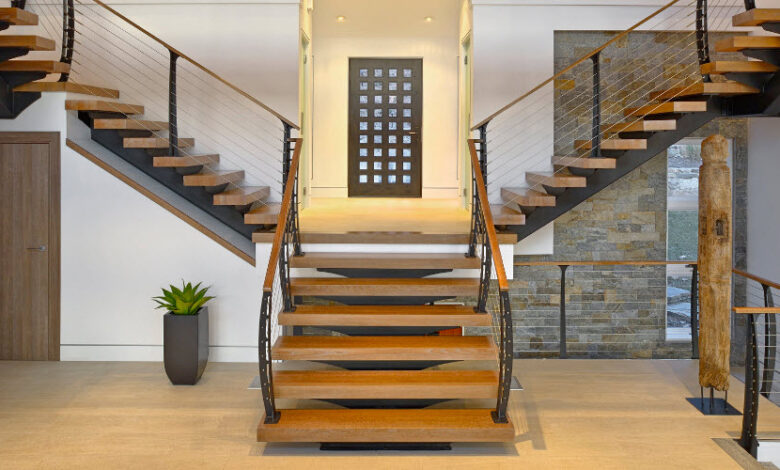
Cable railings are not only aesthetically pleasing but also provide an unobstructed view, making them an ideal choice for spaces where visibility is key. Whether you’re a homeowner looking to upgrade your deck or a contractor working on a large-scale project, knowing the intricacies of cable railing fabrication ensures that your installation is both safe and compliant with local building codes. By familiarizing yourself with these critical details, you’ll be better equipped to choose the right materials and techniques for your specific needs.
Cable Types
Various types of cables are used in cable railing fabrication. Stainless steel cables are the most commonly used due to their strength and resistance to corrosion. Other options include galvanized steel cables or vinyl-coated cables, which offer additional protection against corrosion and minimize damage to surfaces they come into contact with. Additionally, the diameter of the cable plays a crucial role in the overall strength and appearance of the railing system.
Fittings and Hardware
Fittings and hardware play a crucial role in cable railing fabrication as they provide stability, tension, and connection between components. Some common fittings you’ll encounter during fabrication include turnbuckles, terminal ends, lag eyes, swage studs, toggles, and adjuster sleeves.
Frame Construction
Before fabricating the cable rails themselves, it’s important to consider the frame construction where the cables will be installed. The frame needs to be sturdy enough to support the tension applied by the cables under normal usage conditions. Common frame materials for cable railings include wood, aluminum extrusions, or steel posts.
Cable Spacing
Determining the appropriate spacing between cables is crucial from both an aesthetic and safety standpoint. The International Building Code (IBC) mandates that horizontal cable spacing should not allow passage of a 4-inch sphere through any openings, ensuring child safety while maintaining an unobstructed view.
Baluster Systems
Baluster systems may also be required as per building codes to supplement cable railings or provide additional security on staircases or elevated areas. These systems consist of vertical elements (balusters) spaced at appropriate intervals to prevent falling or climbing. Baluster systems can be chosen to complement the overall design and style of cable railings.
Tensioning
Proper tensioning also helps maintain the railing’s structural integrity, ensuring that it can withstand external forces such as wind or the pressure exerted by leaning against it. Inadequate tension can compromise both functionality and appearance of the system, leading to potential safety hazards. Regular inspection and re-tensioning, if necessary, are crucial to ensuring the long-term performance and durability of your cable railing installation.
End Terminations
End terminations refer to how cables are secured at each end point of the railing system. The most common methods include mechanical compression fittings and swage fittings. Mechanical compression fittings use nuts and compression sleeves to hold the cable in place, while swage fittings require specialized tools to permanently crimp the fitting onto the cable.
Code Compliance
Complying with local building codes is crucial when fabricating cable railing, as it ensures that the finished product meets industry standards for structural integrity and safety requirements. It’s important to consult a knowledgeable professional or seek guidance from local authorities to ensure compliance with relevant regulations.
Maintenance Requirements
Cable railings are known for their low-maintenance nature compared to traditional railing materials like wood or iron. However, regular inspections and maintenance routines are necessary to keep them in optimal condition. Cleaning with mild detergent and water, examining connectors for corrosion, and checking tension periodically are essential steps toward ensuring long-lasting performance.
Conclusion
Understanding these basics of cable railing fabrication will help you navigate through the decision-making process when choosing cable railings for your project. Remember to consider factors like cable types, fittings, frame construction, spacing regulations, tensioning techniques, code compliance obligations, and maintenance requirements. By making informed choices during fabrication and installation processes, you can create an aesthetically pleasing and durable cable railing system that will stand the test of time while enhancing the overall design of your space.