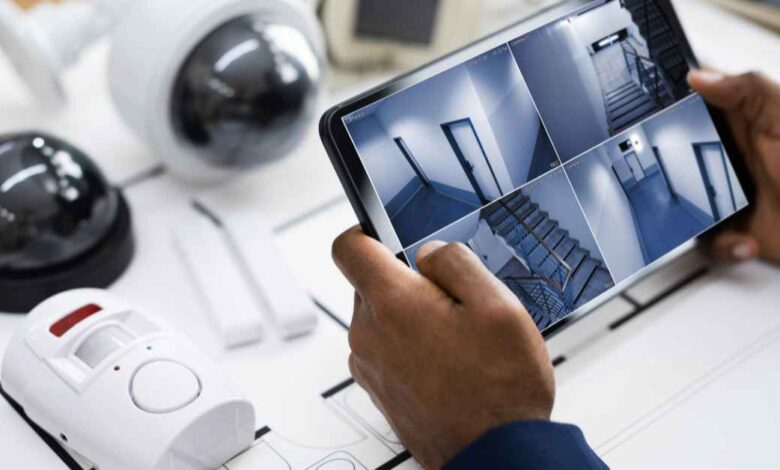
Home security cameras are essential tools for safeguarding residential properties, providing real-time surveillance and recording critical events. However, the longevity and performance of these cameras can be influenced by various factors. Understanding these factors can help homeowners make informed decisions about cctv camera installation and maintenance, ensuring their systems remain effective over time. In this article, we delve into the key factors that affect the lifespan of home security cameras.
Environmental Conditions
Environmental conditions play a significant role in determining the lifespan of home security cameras. Cameras installed outdoors are exposed to harsh weather elements, including rain, snow, wind, and extreme temperatures. These conditions can cause wear and tear, leading to potential malfunctions or complete failure. To mitigate these effects, it is crucial to choose cameras designed specifically for outdoor use, as they are typically built to withstand adverse weather.
In addition to weatherproofing, proper placement can also extend the lifespan of security cameras. Installing cameras under eaves or overhangs can provide some protection from direct exposure to the elements. Furthermore, using additional protective housing can safeguard the cameras from dust, debris, and insects, which can also impact their functionality over time.
Quality of Components
The quality of the components used in the construction of security cameras significantly influences their durability and lifespan. Cameras made with high-quality materials and advanced technology tend to last longer and perform better. When selecting security cameras, it’s important to consider the reputation of the manufacturer and the specifications of the components, such as the lens, sensor, and housing.
High-quality lenses and sensors can provide clearer images and better performance in low-light conditions, which are critical for effective surveillance. Additionally, robust housing made from durable materials like metal or high-grade plastic can protect the internal components from damage. Investing in quality cameras might involve higher initial costs, but it can lead to long-term savings by reducing the need for frequent replacements or repairs.
Installation Practices
Proper installation practices are essential for maximizing the lifespan of home security cameras. Incorrect installation can expose cameras to unnecessary risks and reduce their operational efficiency. For example, mounting cameras at the wrong angle can leave them vulnerable to physical damage or tampering. Ensuring that cameras are securely fastened and properly aligned can prevent these issues.
Using the right type of mounting hardware and following manufacturer guidelines for installation can also enhance the durability of security cameras. In some cases, professional installation services may be beneficial, as experts can ensure that cameras are installed correctly and optimally positioned for maximum coverage and protection.
Power Supply Stability
The stability and reliability of the power supply are crucial for the continuous operation of security cameras. Fluctuations in power, such as surges or outages, can damage the internal components of the cameras and shorten their lifespan. To prevent such issues, it is advisable to use surge protectors and uninterruptible power supplies (UPS) to maintain a steady flow of electricity.
Moreover, for cameras that rely on batteries, ensuring regular maintenance and timely replacement of batteries is essential. Rechargeable batteries should be checked periodically to confirm they are holding a charge properly, while non-rechargeable batteries should be replaced according to the manufacturer’s recommendations to avoid power interruptions.
Maintenance and Upkeep
Regular maintenance and upkeep are vital for extending the lifespan of home security cameras. Over time, dirt, dust, and other debris can accumulate on the lenses and obstruct the camera’s view. Cleaning the lenses periodically ensures clear image capture and optimal performance. Additionally, checking for signs of wear and tear, such as loose connections or damaged cables, can help identify and address potential issues before they lead to camera failure.
Firmware updates are another important aspect of maintenance. Manufacturers frequently release updates to improve the performance, security, and functionality of their cameras. Keeping the camera firmware up to date ensures that the system benefits from these enhancements and remains protected against emerging threats.
Technological Advancements
The rapid pace of technological advancements in the field of security cameras can also impact their lifespan. As new features and improvements become available, older models may become obsolete more quickly. This obsolescence can be due to advancements in video resolution, storage capabilities, connectivity options, and artificial intelligence (AI) functionalities.
To future-proof a security system, homeowners should consider investing in cameras that offer modularity and upgradeability. Cameras that support software updates and can be integrated with new technologies as they emerge can have a longer useful life. Additionally, choosing systems with backward compatibility can ensure that older cameras remain functional and compatible with newer components.
Usage Patterns
The way security cameras are used can also affect their lifespan. Continuous usage, especially in high-traffic areas, can lead to faster wear and tear compared to cameras that are used less frequently. For instance, cameras in busy entryways or monitoring high-activity zones may experience more strain on their components.
To mitigate this, it is possible to use cameras with features such as motion detection, which only records when activity is detected. This reduces the overall usage and wear on the camera, potentially extending its lifespan. Balancing the need for constant surveillance with the practicality of preserving camera health can lead to more sustainable usage patterns.
In conclusion, the lifespan of home security cameras is influenced by a range of factors, from environmental conditions and component quality to installation practices and maintenance routines. By understanding and addressing these factors, homeowners can ensure their cctv installation remains effective and reliable over the long term. Investing in high-quality cameras, ensuring proper installation, maintaining stable power supply, conducting regular maintenance, staying updated with technological advancements, and managing usage patterns are all key strategies to extend the life of home security cameras.