

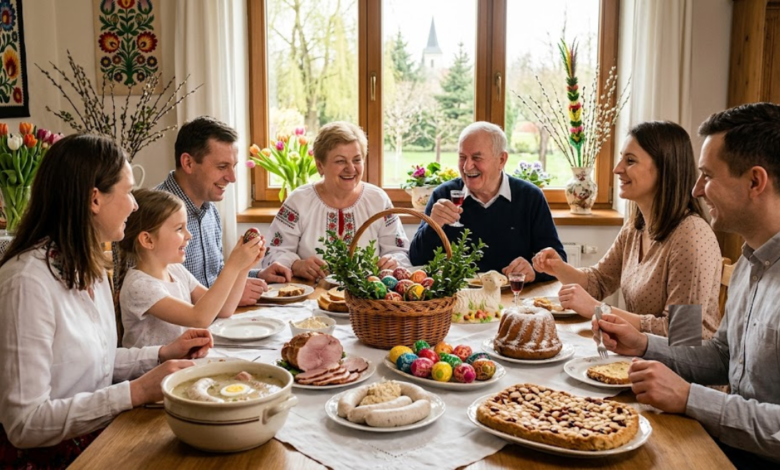
Wesołych Świąt Wielkanocnych is a warm and heartfelt greeting used during the Easter season in Poland. The translates to “Happy Easter” in English, but it carries a deeper cultural and emotional significance than a simple holiday greeting. Easter is one of the most important celebrations in Polish culture, blending religious devotion, long-standing traditions, and joyful family gatherings. When people say wesolych swiat wielkanocnych, they are not only wishing happiness but also sharing hope, renewal, and blessings associated with the Easter season.
This is commonly heard in homes, churches, workplaces, and social media messages during the Easter period. It reflects the spirit of unity and joy that Easter brings to millions of people around the world, especially in Poland and among Polish communities abroad.
In this article, we will explore the meaning of wesolych swiat wielkanocnych, the traditions connected with Easter in Poland, and the cultural significance behind this cheerful greeting.
What Does “Wesołych Świąt Wielkanocnych” Mean?
The “wesolych swiat wielkanocnych” comes from the Polish language and directly translates to “Happy Easter Holidays.” Each word contributes to its meaning:
- Wesołych means joyful or happy
- Świąt means holidays or celebrations
- Wielkanocnych refers to Easter
Together, the expresses a sincere wish for joy and happiness during the Easter holiday. It is similar to saying “Happy Easter,” but it emphasizes the entire holiday period rather than just the day itself.
Polish people use this greeting in written messages, spoken conversations, greeting cards, and online posts. It is often accompanied by symbols such as decorated eggs, spring flowers, or images of Easter baskets.
The Importance of Easter in Polish Culture
Easter, known as Wielkanoc in Polish, is the most important Christian holiday in Poland. It celebrates the resurrection of Jesus Christ and represents themes of renewal, hope, and new beginnings.
Poland is a country with deep Catholic traditions, and Easter is observed with great devotion. Churches hold special services throughout Holy Week, and families participate in religious rituals and festive gatherings.
The “wesolych swiat wielkanocnych” reflects this deep spiritual meaning. When people exchange this greeting, they are acknowledging both the religious significance and the joyful celebration of the season.
Holy Week Traditions
Holy Week is the period leading up to Easter Sunday, and it includes several important religious and cultural traditions in Poland.
Palm Sunday
Palm Sunday marks the beginning of Holy Week. Instead of palm leaves, Polish people carry beautifully decorated palm branches made from willow twigs, flowers, and colorful ribbons. These symbolic palms are blessed in church.
Families often keep these palms at home throughout the year as a sign of protection and blessings.
Holy Thursday and Good Friday
These days are devoted to reflection and prayer. Churches hold solemn services to remember the suffering and sacrifice of Jesus Christ.
Many Polish families observe fasting during this time as a sign of respect and spiritual preparation for Easter Sunday.
The Tradition of the Easter Basket (Święconka)
One of the most beloved Polish Easter traditions is the Święconka, or the blessing of the Easter basket.
Families prepare baskets filled with symbolic foods, such as:
- Eggs, representing new life
- Bread, symbolizing the body of Christ
- Salt, representing purification
- Sausage, symbolizing abundance
- Cake or sweets for celebration
These baskets are taken to church on Holy Saturday, where a priest blesses them. The food inside the basket is later shared during Easter breakfast.
When people exchange greetings like “wesolych swiat wielkanocnych,” they often include images or references to these Easter baskets.
Easter Sunday Celebrations
Easter Sunday is the most joyful day of the Easter season. Families gather early in the morning for a festive breakfast, often beginning with the sharing of blessed eggs.
This meal usually includes traditional dishes such as:
- Hard-boiled eggs
- Sausages
- Ham
- Easter cakes and pastries
- Bread and butter
Before eating, family members exchange good wishes, including the greeting “wesolych swiat wielkanocnych.”
The atmosphere is filled with happiness, laughter, and gratitude for the holiday.
Decorated Easter Eggs (Pisanki)
Decorated eggs, known as Pisanki, are a famous symbol of Polish Easter traditions.
These eggs are carefully painted or decorated with intricate patterns, bright colors, and traditional designs. The art of making Pisanki has been passed down through generations.
Each design can carry symbolic meanings related to life, prosperity, and protection.
Pisanki are often placed in Easter baskets, used as decorations, or given as small gifts along with Easter greetings.
Śmigus-Dyngus: The Easter Monday Tradition
Easter celebrations continue on Easter Monday, which is known as Śmigus-Dyngus, or Wet Monday.
On this day, people playfully splash water on each other. Traditionally, boys would sprinkle water on girls, but today it is a fun activity enjoyed by everyone.
The custom symbolizes cleansing, renewal, and the arrival of spring.
Children especially enjoy this playful tradition, making Easter Monday one of the most exciting days of the holiday.
Sending Easter Greetings
In modern times, many people send Easter greetings through text messages, social media posts, and digital cards.
The “wesolych swiat wielkanocnych” is widely used in these messages. It is often paired with kind wishes such as:
- Happiness and health
- Peace and blessings
- Joy and prosperity
These greetings strengthen relationships and spread positivity during the holiday season.
Easter Symbols and Their Meanings
Easter traditions are rich with symbolism that reflects the themes of life and renewal.
Eggs
Eggs symbolize new life and resurrection. They are one of the most recognizable symbols of Easter.
Lamb
The lamb represents Jesus Christ and sacrifice. It is a common symbol used in decorations and Easter foods.
Spring Flowers
Flowers such as tulips, daffodils, and lilies represent rebirth and the arrival of spring.
Together, these symbols create a colorful and meaningful celebration that perfectly complements the greeting “wesolych swiat wielkanocnych.”
Easter Around the World
Although the “wesolych swiat wielkanocnych” is specifically Polish, Easter is celebrated worldwide with unique traditions in different cultures.
For example:
- In the United States, Easter egg hunts are popular among children.
- In Spain, large religious processions take place during Holy Week.
- In Italy, families gather for large festive meals.
Despite these differences, the core message of Easter—hope, renewal, and joy—remains the same everywhere.
The Spirit of Easter
Easter is more than just a holiday filled with food and decorations. It is a time for reflection, gratitude, and spending meaningful moments with loved ones.
The “wesolych swiat wielkanocnych” captures this spirit beautifully. It encourages people to celebrate life, appreciate family, and welcome the season of renewal.
In a fast-paced world, such traditions remind us of the importance of connection and joy.
Keeping Traditions Alive
Many Polish families take great pride in preserving their Easter customs. Parents teach children how to decorate eggs, prepare traditional foods, and participate in church celebrations.
These traditions strengthen cultural identity and ensure that the meaning of Easter continues for future generations.
Even Polish communities living abroad continue to celebrate Easter with familiar greetings like “wesolych swiat wielkanocnych,” keeping their heritage alive.
Conclusion
“Wesołych Świąt Wielkanocnych” is more than just a simple holiday greeting. It represents centuries of tradition, faith, and joyful celebration within Polish culture. From the blessing of Easter baskets to the playful water splashing of Easter Monday, each tradition adds meaning to the holiday.
This cheerful captures the essence of Easter: happiness, renewal, and hope. Whether spoken in person, written in a card, or shared online, it spreads warmth and positivity among friends, family, and communities.
As people gather around festive tables and celebrate together, the message of “wesolych swiat wielkanocnych” continues to bring smiles and strengthen bonds across generations.
FAQs
What does “wesolych swiat wielkanocnych” mean?
“Wesołych Świąt Wielkanocnych” is a Polish that means “Happy Easter Holidays.” It is used to wish someone joy and happiness during the Easter season.
When do people say “wesolych swiat wielkanocnych”?
People usually say this greeting during the Easter holiday period, especially on Easter Sunday and in the days leading up to it.
Is Easter an important holiday in Poland?
Yes, Easter is one of the most important religious and cultural holidays in Poland. It is celebrated with church services, family meals, and traditional customs.
What is the Easter basket tradition in Poland?
The Easter basket tradition, called Święconka, involves preparing a basket filled with symbolic foods and bringing it to church on Holy Saturday to be blessed.
What is Śmigus-Dyngus?
Śmigus-Dyngus is a fun Easter Monday tradition in Poland where people splash water on each other to celebrate the arrival of spring and renewal.
Why are eggs important during Easter?
Eggs symbolize new life and resurrection. They are commonly decorated and used in Easter traditions around the world.
