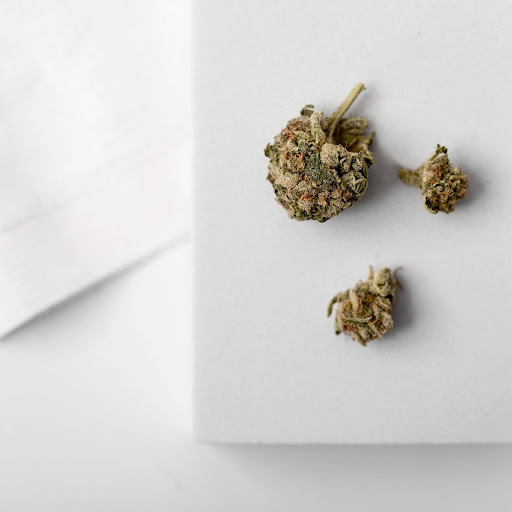
Complex Regional Pain Syndrome (CRPS), a chronic and often excruciating condition, affects thousands of people, leaving them searching for effective relief. Known in some cases as “causalgia,” CRPS is notorious for causing persistent, intense pain that can drastically impact daily life. Recently, medical marijuana has gained attention as a promising option for managing CRPS symptoms, especially causalgia. Although this treatment might not be a cure-all, many patients and doctors are discovering that it offers substantial benefits.
This article explores how medical marijuana can provide relief for those suffering from CRPS, especially the burning pain associated with causalgia. Through a closer look at how cannabis interacts with the body, the various strains used, and real-life experiences, we dive into how this natural remedy offers a hopeful alternative.
Understanding Causalgia and CRPS
CRPS often begins after an injury, surgery, or trauma. For many, CRPS manifests as “causalgia,” which involves a severe burning sensation that makes even the slightest touch painful. CRPS typically develops in the arms, legs, hands, or feet, and the pain often spreads. Besides causalgia, symptoms may include swelling, sensitivity to touch, changes in skin color, and temperature differences.
Because causalgia is a subset of CRPS, patients dealing with it can experience heightened sensory responses, causing even minor triggers to lead to prolonged pain. This persistent pain cycle has left many people desperate for solutions beyond conventional pain management methods. Medical marijuana, known for its anti-inflammatory and analgesic properties, offers a potential remedy that addresses both the physical and emotional toll of CRPS.
How Medical Marijuana Works on Pain and Inflammation
Medical marijuana interacts with the body through the endocannabinoid system (ECS), which plays a crucial role in regulating pain, mood, and inflammation. By targeting cannabinoid receptors (CB1 and CB2) in the nervous system, marijuana compounds, such as THC and CBD, can help modulate pain responses. For those experiencing causalgia, the ability of medical marijuana to calm overactive nerve responses is invaluable.
- THC (Tetrahydrocannabinol): Known for its psychoactive effects, THC can reduce pain by altering how the brain perceives pain signals.
- CBD (Cannabidiol): Although non-psychoactive, CBD has been praised for reducing inflammation and enhancing relaxation without producing a “high.”
Research Supporting Medical Marijuana for CRPS
Although research on medical marijuana is ongoing, several studies suggest that it may be an effective option for chronic pain. A study published in the Journal of Pain indicated that cannabinoids could help with pain relief by reducing the body’s inflammatory response. For patients with CRPS who suffer from causalgia, this anti-inflammatory action is promising.
Additionally, in states where medical marijuana is legal, there has been an increase in positive patient testimonials about its benefits for CRPS and causalgia. While more scientific studies are needed to establish the full scope of benefits, existing research provides a foundation that supports its role in pain management.
Choosing the Right Strain for Causalgia Relief
Selecting the right strain of medical marijuana is critical. With hundreds of strains available, each with different THC and CBD ratios, finding a strain that suits one’s specific needs may require some trial and error. Generally, Indica strains are known for their relaxing properties and can help with pain relief, while sativa strains may be more uplifting and energizing.
Recommended Strains for CRPS and Causalgia:
- ACDC: High in CBD, ACDC is known for minimizing pain without psychoactive effects.
- Harlequin: Another CBD-rich strain, Harlequin helps ease inflammation and is ideal for daytime use.
- Granddaddy Purple: A powerful indica strain, Granddaddy Purple provides relaxation and is often recommended for nighttime use to help with sleep.
Each strain interacts differently within the body, so it may be beneficial to consult a cannabis specialist or doctor knowledgeable in medical marijuana to tailor a treatment plan for CRPS symptoms, especially causalgia.
Medical Marijuana as an Alternative to Opioids
For years, opioids have been a mainstay in pain management for conditions like CRPS. However, opioids carry a high risk of dependency and a long list of potential side effects, including nausea, drowsiness, and even respiratory issues. In contrast, medical marijuana provides a more natural option with a comparatively lower risk of dependency and minimal side effects when used responsibly.
Moreover, medical marijuana doesn’t impair cognitive abilities to the extent that opioids do, allowing users to maintain better control of their daily functions. For those with CRPS who need effective pain relief without significant impairment, marijuana offers a promising alternative.
Patient Stories: Real-Life Experiences with Medical Marijuana for CRPS
The testimonials of CRPS patients who have turned to medical marijuana for relief are powerful. Many report that using medical marijuana has provided them with a renewed sense of hope and freedom from the debilitating effects of causalgia. For instance, some have found that using marijuana before physical therapy reduces pain enough to allow them to complete necessary exercises. Others use it at night to sleep better and reduce morning stiffness.
One patient, suffering from severe causalgia, described the relief as “life-changing,” claiming it allowed them to manage their condition without relying heavily on pharmaceuticals. While individual experiences vary, these stories highlight the potential of medical marijuana as a life-enhancing option for people with CRPS.
Considerations and Potential Side Effects of Medical Marijuana
While medical marijuana is generally well-tolerated, it’s important to be aware of potential side effects, including dry mouth, dizziness, and mild paranoia. The psychoactive effects of THC may also be overwhelming for some people, so starting with low doses and gradually increasing as needed can help mitigate discomfort.
Additionally, because marijuana’s effects can vary widely, it’s wise to keep a journal to monitor how different strains and doses affect CRPS symptoms. This helps patients identify what works best for their unique pain management needs and adjust accordingly.
The Future of Medical Marijuana for CRPS
As research on medical marijuana continues, new applications for pain management, including for CRPS and causalgia, will likely emerge. The ongoing development of cannabis-derived medications and alternative cannabinoid therapies indicates that the future of pain relief may include a broader array of accessible, plant-based options.
A New Path Forward for CRPS Sufferers
For those grappling with CRPS, especially the searing pain of causalgia, medical marijuana offers a fresh path to pain management. By combining anti-inflammatory properties with a gentle, calming effect, it enables patients to achieve greater relief and a better quality of life. Medical marijuana’s positive impact on CRPS symptoms underscores its role as a valuable alternative for those seeking safe, effective ways to manage chronic pain.
Frequently Asked Questions
Q: Is medical marijuana legal for CRPS in all states?
Legal access to medical marijuana varies by state. Many states permit it for chronic pain, but some still have restrictions. Always check your state’s regulations before seeking medical marijuana for CRPS.
Q: How do I know which strain is best for my CRPS symptoms?
Consulting with a healthcare provider or cannabis specialist can help tailor a treatment plan. Strains high in CBD, such as ACDC, are generally recommended for pain relief.
Q: Will medical marijuana interact with other medications?
It’s essential to discuss with your doctor if you’re taking other medications. Marijuana can interact with certain drugs, particularly those metabolized by the liver.
Q: Are there long-term risks with using medical marijuana for causalgia?
Long-term effects are still being studied, but most users experience minimal adverse effects with responsible use. It’s wise to monitor any changes over time and adjust your usage accordingly.