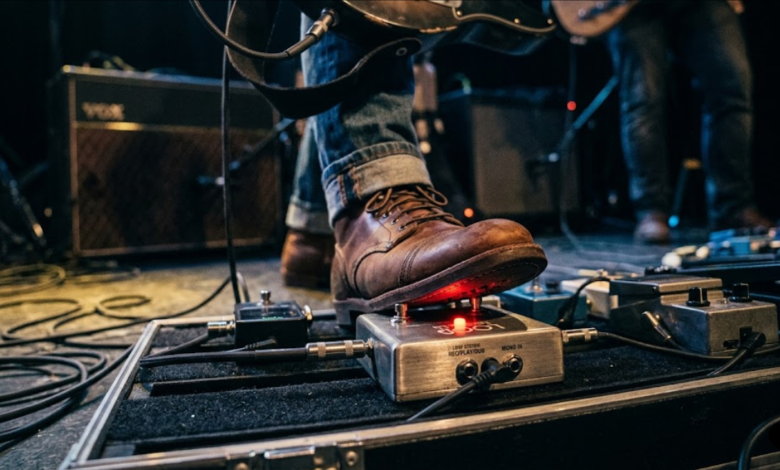
Loopers are versatile tools widely used in music, technology, and entertainment. They are devices or software applications that record, store, and play back audio or video loops. Loopers have become increasingly popular among musicians, producers, and performers due to their ability to layer sounds, create complex compositions, and enhance live performances. This article provides an in-depth look at loopers, including their history, types, applications, and tips for getting the most out of them.
What Is a Looper?
A looper is essentially a device or software program that captures a segment of sound or video and plays it repeatedly. Musicians often use loopers to create layered compositions by recording multiple parts over one another. For instance, a guitarist can record a rhythm pattern and then play a solo on top of it, creating a full-sounding track in real time. Loopers can also be used in other creative fields, including video production, DJing, and even live theater performances.
The main appeal of a looper is its ability to allow users to experiment with layering and repetition. By building loops on top of each other, users can create intricate arrangements that would be difficult or impossible to perform live without this technology. Modern loopers often include features such as tempo control, undo/redo functions, effects processing, and multi-track recording, making them incredibly versatile tools for creativity.
History of Loopers
Loopers have a fascinating history that traces back to early tape-based recording techniques. In the 1940s and 1950s, musicians and sound engineers used tape loops to create repeated sounds or effects. These loops were manually cut and spliced together, often resulting in experimental and unique compositions.
In the 1960s and 1970s, tape loop techniques gained popularity in experimental and psychedelic music. Artists like Steve Reich and Brian Eno used tape loops to create repetitive musical patterns and ambient soundscapes. The technology evolved further with the introduction of digital sampling in the 1980s, which allowed for easier and more precise looping.
Today, loopers are available in both hardware and software formats, offering professional-grade features to musicians of all levels. Digital loopers have made looping more accessible and reliable, eliminating the challenges of manually handling physical tapes.
Types of Loopers
Loopers come in a variety of forms, each suited to different purposes and skill levels. The main types include:
1. Hardware Loopers
Hardware loopers are standalone devices that record and playback audio in real time. They are popular among guitarists, vocalists, and live performers because they provide immediate feedback and tactile control. Hardware loopers often come with footswitches, which allow performers to start and stop loops hands-free.
2. Software Loopers
Software loopers are digital applications that run on computers, tablets, or smartphones. They provide a wide range of editing and layering options, often including effects and advanced routing capabilities. Software loopers are ideal for studio production and digital music creation, as they integrate seamlessly with digital audio workstations (DAWs).
3. Hybrid Loopers
Hybrid loopers combine hardware and software features, offering the tactile feel of a physical device with the flexibility of digital control. These devices often include USB or MIDI connectivity, allowing them to integrate with other equipment and software setups. Hybrid loopers are favored by musicians who perform live but also produce music digitally.
How Does a Looper Work?
The basic functionality of a looper involves recording, playback, and layering. When a user activates the looper, it captures the input signal—such as a guitar riff, vocal phrase, or drum beat—and stores it in memory. The looper then plays the recording repeatedly, creating a loop. Users can add more layers by recording additional segments on top of the existing loop.
Many loopers also include features such as overdubbing, undo/redo, and tempo synchronization. Overdubbing allows users to record multiple layers over a single loop, while undo/redo lets them correct mistakes without affecting other parts of the performance. Tempo synchronization ensures that loops play back in perfect timing, even when working with multiple instruments or tracks.
Benefits of Using a Looper
Loopers offer a variety of benefits for musicians, producers, and performers:
- Creativity Enhancement: Loopers allow artists to experiment with layering, harmonies, and rhythm patterns, leading to more complex and dynamic compositions.
- Live Performance: Solo performers can create the sound of a full band by layering loops in real time.
- Efficiency: Recording multiple layers in a loop is faster than recording each instrument separately, streamlining the music production process.
- Practice Tool: Loopers are excellent for practicing timing, improvisation, and arrangement skills.
- Flexibility: Modern loopers often include built-in effects, tempo control, and MIDI compatibility, giving users extensive creative options.
Using a Looper in Music Production
In music production, loopers are invaluable for building tracks and experimenting with sound. Producers can use loopers to create repetitive rhythms, backing tracks, or ambient textures. For example, a producer might record a drum pattern, then layer bass, synth, and vocal elements on top of the initial loop.
Loopers also encourage improvisation. Musicians can record a basic loop and then experiment with different melodies, harmonies, or rhythms, instantly hearing how each addition interacts with the original loop. This iterative process often leads to innovative musical ideas that might not emerge in traditional linear recording methods.
Looper Pedals for Guitarists
Guitarists frequently use looper pedals to enhance their live performances. These pedals allow them to record riffs, chord progressions, or melodies and loop them in real time. Guitarists can use multiple loops to create complex arrangements, even performing as a one-person band.
Many looper pedals include features such as undo/redo, multiple loop storage, and built-in effects. For example, a guitarist might record a rhythm loop, add a lead melody, and then apply reverb or delay effects to the layers. This versatility has made looper pedals a staple for solo performers, buskers, and experimental musicians.
Tips for Mastering the Looper
Mastering a looper requires practice, patience, and understanding the device’s features. Here are some tips to get the most out of a looper:
- Start Simple: Begin with short loops and gradually add layers to avoid confusion.
- Keep Timing in Mind: Accurate timing is crucial for seamless loops. Use a metronome or tempo guide if needed.
- Use Effects Sparingly: While effects can enhance a loop, overuse can create cluttered or muddy sound.
- Plan Your Layers: Decide in advance what elements you want to layer to maintain clarity and musical coherence.
- Experiment: Loopers are creative tools—don’t be afraid to try unconventional patterns, rhythms, or sounds.
Looper Applications Beyond Music
While loopers are most commonly associated with music, they have applications in other fields:
- Video Production: Video loopers can repeat video clips or animations, creating engaging visual content.
- Theater and Performance: Loopers can create recurring soundscapes or effects for live theater or performance art.
- DJing and Electronic Music: DJs often use loopers to manipulate tracks, create live remixes, or add layers during performances.
- Education: Loopers can be used in classrooms for teaching music, rhythm, or multimedia production techniques.
Choosing the Right Looper
Selecting the right looper depends on your needs, experience level, and budget. Here are some factors to consider:
- Purpose: Are you using it for live performance, studio production, or experimentation?
- Features: Look for features like multiple tracks, overdubbing, effects, and tempo control.
- Interface: Hardware loopers should have an intuitive interface, while software loopers should integrate with your digital workflow.
- Durability: For live performances, a durable and reliable looper is essential.
- Price: Loopers range from affordable beginner models to professional-grade devices; choose one that fits your budget and goals.
Popular Looper Models
Several loopers have gained popularity among musicians and producers. For hardware, the Boss RC series, Digitech JamMan, and Electro-Harmonix 45000 are widely used. Software loopers like Ableton Live’s Looper, MainStage, and Mobius Looper are highly regarded for studio production. Hybrid devices such as the TC Electronic Ditto X4 offer the tactile control of hardware with digital flexibility. Each model has unique strengths, so the best looper depends on individual preferences and requirements.
The Future of Loopers
The future of loopers looks promising, with advancements in technology offering even more creative possibilities. AI-assisted loopers are emerging, capable of generating complementary layers or harmonies based on the input. Integration with virtual instruments, cloud storage, and live streaming platforms is expanding the scope of looping in performance and production. As both hardware and software continue to evolve, loopers are likely to become an essential tool not just for musicians, but for a wider range of creative professionals.
FAQs About Loopers
Q1: Can beginners use a looper?
Absolutely. Many loopers are designed with beginner-friendly interfaces. Starting with basic loops and gradually exploring advanced features is a great way to learn.
Q2: What instruments can I use with a looper?
Loopers can be used with virtually any instrument, including guitar, bass, keyboard, drums, and vocals. Some loopers also support MIDI instruments and digital audio inputs.
Q3: Do I need a metronome for looping?
While not required, a metronome can help maintain consistent timing, especially for complex or multi-layered loops.
Q4: Can loopers be used for recording studio tracks?
Yes. Loopers are excellent for studio production, allowing artists to build tracks iteratively and experiment with arrangements.
Q5: Are there software loopers for mobile devices?
Yes, many apps for iOS and Android function as loopers, offering features like multi-track recording, effects, and tempo control.
Q6: What is overdubbing in a looper?
Overdubbing is the process of recording additional layers on top of an existing loop without erasing the previous recording.
Conclusion
Loopers are versatile tools that empower musicians, producers, and performers to explore creativity, layer sounds, and enhance live performances. From their humble beginnings with tape loops to modern digital and hybrid devices, loopers have transformed the way artists approach music and multimedia creation. Whether you are a beginner or a professional, understanding the types, features, and applications of loopers can significantly enhance your creative output. By experimenting with loops, layering techniques, and effects, anyone can unlock new possibilities in sound and performance.