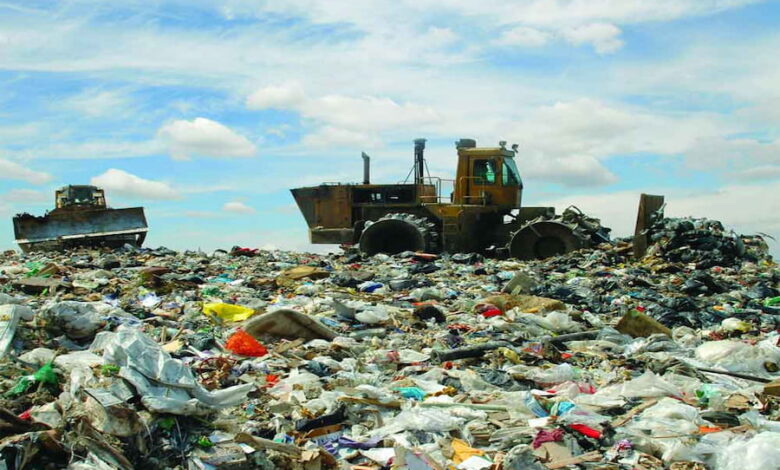
In the past five decades, there has been a rapid rise in the generation of waste all across the world, except for recent decreasing trends observed in countries like Japan and Korea. Organic wastes, especially kitchen wastes, constitute 45–50% of the total waste composition. The rising global population creates the demand for material extraction and productivity enhancements. Waste management technologies have evolved over time and in most countries have undergone a continuous transition from landfills to energy-from-waste options. Landfilling and open dumps, however, prevail in most Asian developing countries. Dumpsites management, the informal sector, waste collection, open burning, and food waste are some of the important concerns.
On the bright side, better technologies and practices in recycling have been note in India, Indonesia, Japan, Malaysia, Singapore, South Korea, Thailand, and Vietnam. There are challenges in the field of recycling; however, there are efforts to rectify these problems. The drivers behind Asia’s waste management, along with their evolution, will be critical in understanding these changes. Recommendations by which to achieve sustainable waste management, including the use of commercial skip hire for efficient waste removal, are discussed to guide future improvements.in this article, we’ll discuss the common approaches that countries use for waste management.
Waste Audit
This is an essential program for effective waste management. The audit of waste is necessary because it helps indicate the type and quantity of waste generated. It involves the analysis of waste streams to try and understand the significant sources of waste, volumes of waste generated, and the mode of their disposal. With such insight, organizations and communities can seek ways of improvement, putting in place better ways of managing waste, and reducing the entire waste generation.
Waste Reduction
Probably one of the best methods of waste management is source reduction. People and businesses alike can drastically reduce the amount of waste generated through easy conscious choices, all of which boil down to source reduction, such as buying in bulk, avoiding single-use items, and environmentally friendly packaging. Source reduction deals with preventing waste even before it is created and subsequently reduces the quantum of wastes that have to be dealt with at a later stage. Besides saving resources, this approach reduces the environmental impacts related to waste processing and disposal.
Reuse and Reprocess
Reuse and reprocessing of products prolong their service life and generate less waste. Instead of sending it to the landfill, consider contributing or selling things you don’t need anymore. Go to your nearby swap events to get new items in exchange for stuff you no longer need in your house and look for DIY or upcycling projects that inspire you to give your old items a new life. In this way, you support less need for new products, waste less, and support a circular economy. Reusing and repurposing are some very neat ways of waste management that do not accommodate community engagement but also creativity.
Recycling Programs
One of the important divisions of waste management is the recycling program. Set up the station of recycling with proper signage where it needs to be separately place into various recycling bins. Send education to employees and community members on how to recycle, aiming at having all the recyclables well-separate and processed. Offer information and workshops on what is and isn’t recyclable, in partnership with the local recycling centers. Whenever you make it more convenient to recycle, in conjunction with people knowing why recycling is important, one’s participation level increases, and then the overall recycling rate goes up.

Composting Organic Waste
Composting is a very valuable strategy in organic waste management. Particularly, food scraps and yard trimmings are suitable for composting. It reduces the amount of waste going into landfills and allows the creation of nutrient-rich compost for use in gardening and landscaping. Implementation of composting programs helps divert organic wastes from landfills and decreases the generation of greenhouse gases, improving soil health. Engage the community by teaching and sensitizing on how to introduce composting at their homes and on large scales to manage more quantities of organic waste.
Conclusion
These techniques for manage wastes are used by most of the countries. The methods are well known, from conducting waste audits to source reduction, encouraging reuse, recycling, and composting. Through the adoption of such practices, countries will end up with better waste management systems, which will automatically lessen environmental impacts and provide sustainability through worldwide competition. Visit Sumosearch for more informative blogs.