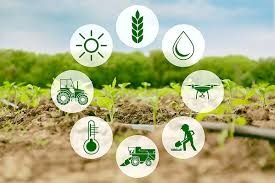
Agriculture plays an important role in the development of human civilization because it is the basis for existence. However, the industry has several challenges such as climate change, population growth as well as scarcity of resources. To overcome these challenges the agricultural sector is focusing on the use of technology. The IoT is among the most revolutionary technologies in the world today. IoT in agriculture uses connected devices and sensors to gather data and facilitate better and improved farming.
Market Size of IoT in Agriculture – Facts and Statistics
- The world population is expected to be approximately 9.6 billion people by the end of 2050 and to meet the world food demand, we have to increase food production by 70-100%.
- A report by MarketsandMarkets expects the IoT in the agriculture market to increase from $11.4 billion in 2021 to $18.1 billion in 2026 with a CAGR of 9.8%.
- The digital farming market size is expected to reach $71.96 billion by 2032 from $26.76 billion in 2024.
- North America has the largest market share in IoT in agriculture, followed by Europe. The use of smart agriculture is also relatively high in these areas, and innovations like yield tracking or GPS guidance are now considered normal.
Top Use Cases of IoT in the Agriculture Industry
1. Precision Farming
Precision farming employs IoT technology to collect information on the condition of the soil, crops, and weather. Such parameters include moisture, pH of the soil, and even availability of nutrients. This information can assist farmers in deciding on the ideal planting density, fertility, and water inputs to the crops in order to maximize their yields. Thus, precision farming helps to make agricultural operations more efficient and sustainable due to the proper optimization of resources and higher yields.
2. Livestock Monitoring
Smart devices connected to animals monitor their health and behavior, as well as their location. Some of the applications include the tracking of vital signs, movement, and feeding activities of the livestock, which is useful to farmers. As a result, this assists in early diagnosis of illnesses, better treatment of conditions and improvement of wellbeing for animals. Farmers can alter feed times and minimize losses while ensuring that livestock stay healthy by observing their animals. It enhances productivity of such farms leading to better profits from them.
3. Greenhouse Automation
Greenhouse automation systems use IoT sensors to regulate environmental conditions such as temperature, humidity, and light. These devices gather data and self-regulate the environment parameters necessary for plants’ growth. Automation has the benefits including increased yield, better crop quality and reduced labor costs. Farmers can remotely monitor and control conditions in the greenhouse, so plants get equal attention and care, and the process of growing plants becomes more productive.
4. Soil Health Monitoring
The health of the soil is determined using IoT sensors that check its pH, nutrient, and moisture content. This information is vital in understanding the fertility of the soil as well as in determining the appropriate soil conditions for various crops. When farmers apply real-time data in fertilization and irrigation, they can conserve soil quality, increase the productivity of crops, and lower costs.
5. Crop Monitoring
IoT sensors deployed in the fields help in tracking the growth patterns, nutrient needs, and pest incidence in crops. It assists farmers in the early detection of problems and making the right interventions. Real-time monitoring can also enable the correct use of fertilizers and pesticides, therefore reducing wastage and at the same time increasing crop yields. It helps the farmers to have better yield and quality of crops in the farm which results in increased profitability.
6. Weather Forecasting
Weather stations equipped with IoT technology offer precise and timely information about temperature, humidity, rainfall, wind speed, etc. This information enables farmers to schedule their operations like planting, watering and harvesting to avoid losses due to unfavorable weather conditions. Using accurate weather information, farmers can make the right decisions that enhance productivity, resource utilization and produce better yields.
7. Supply Chain Management
IoT devices monitor the flow of agricultural products from the producer to the consumer, making the chain more transparent and effective. During transportation, there is tracking of factors like temperature and humidity that help in reducing spoilage of the products. A precise real-time tracking system helps farmers and distributors in managing the distribution channels better, decrease wastage and enhance the efficiency of the agricultural chain supply.
8. Pest and Disease Control
IoT sensors include factors that control the environment and health of crops, to identify the presence of pests and diseases on crops. It enables farmers to be able to prevent any damage to crops and also helps to reduce the usage of pesticides. These practices reduce pest and disease incidence and contribute to improved crop yields, better quality produce, and sustainable agricultural practices.
9. Drones for Crop Monitoring
Various models of drones fitted with IoT sensors take aerial images of fields and generate precise information on conditions, growth phases, and pest invasion. This makes it easier for the farmers to cover large expanses of land and see things that may not be observable when on the ground. Drones help in better crop management, decision-making, and productivity of farms through the information it offers.
10. Fleet Management
IoT technology also helps to monitor and control farm vehicles and machinery. The systems monitor vehicle position, fuel usage and service requirements to enhance fleet utilization. Real-time data ultimately assists farmers in saving costs and increasing overall efficiency through efficient estimation of routes, maintenance timings, and minimizing downtime. A good fleet management makes sure that the equipment used in farming is utilized thoroughly and is always serviceable.
Benefits of IoT in Agriculture
- Increased Efficiency
IoT technology helps in controlling various processes of agriculture, thus minimizing human intervention and increasing effectiveness. Using technology in activities like irrigation, watering, and pest control helps the farmers to attend to other important activities. This automation results in speed and accuracy, thus spurring productivity and enabling the farmers to expand their business.
- Resource Optimization
Remote monitoring of resources through IoT sensors provides farmers with timely information on the consumption of water, fertilizers, and pesticides. In this way, farmers can save on input costs and can guarantee that the resources required are used only where and when they are needed. This optimization reduces environmental influence by encouraging the right farming practices and conserving resources for later use.
- Improved Crop Yields
Internet of Things in Agriculture allows farmers to observe crop status and environmental conditions consistently, identify problems, and address them before they worsen. This real time monitoring enables the crops to be carefully monitored during its growth cycle which leads to better yields and quality produce. Higher yields also enhance efficiency in food production, hence higher revenues to cater for the increasing food needs.
- Enhanced Decision-Making
IoT technology enables farmers to gain comprehensive information on a range of factors influencing their operations, including soil quality, climate, and crop status. These ideas help optimize decision-making to improve farmers’ activities and plan for responses to changes. Better decision-making contributes to the minimization of risks, optimization of processes as well as an overall improvement in agricultural practices.
- Better Animal Welfare
IoT devices include sensors for measuring the physiological parameters of animals, their location and feeding activity. In cases where diseases or infections are detected early, farmers are able to prevent the occurrence, which is beneficial to the animals and the farmers in the long run. Improved animal health results in improved productivity of livestock, which in turn results in increased production of beef, chicken, milk, and other animal products.
- Traceability and Transparency
IoT technology improves the traceability and transparency of products throughout the agricultural supply chain. There are devices that monitor the movement and status of the products from the point of production to the market. Such transparency confirms compliance with food safety standards, fosters consumer confidence, and adheres to regulations.
Conclusion
The use cases of IoT in agriculture can be very extensive, and it has various potentials that improve the sector. Starting from farming and ending with animal tracking, IoT technology improves effectiveness, optimizes the consumption of resources, and fosters sustainability. As the demand for Internet of Things in agriculture rises, incorporating smart solutions into agriculture is crucial. Partnering with an IoT application development company can further enhance the implementation of these technologies, ensuring that the agricultural sector fully benefits from the advancements IoT offers.
FAQs
Q. In what ways can IoT in Agriculture contribute to minimizing the use of water?
A. IoT in Agriculture can greatly help in minimizing water consumption through the application of smart irrigation systems. These systems make use of soil moisture sensors and weather information to know exactly how much water is required so that water is not wasted through over-irrigation.
Q. Why is data analytics in IoT useful for agriculture?
A. Big data analysis is crucial for the Internet of Things in Agriculture because it deals with a massive amount of data provided by sensors and other connected devices. Data analytics assist in analyzing trends, forecasting, and generating recommendations for the improvement of agricultural practices.