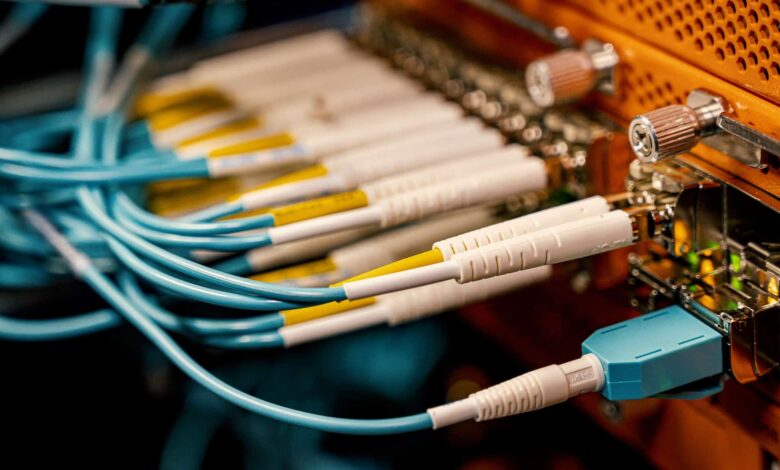
Wondering how businesses stay productive? This is because they rely on data access and robust network infrastructure. Slow speed and high latency can hinder their overall performance. As a result, fiber optic cable installation is the go-to solution for improved integration and efficiency.
But fiber optic cables run into common issues such as RFI and others. The key is to identify and mitigate common failures to keep your operations running smoothly.
No idea what causes fiber optic cable to fail? Here are some tips to safeguard fiber optic cables from running into common issues.
Causes of Fiber Network Failure
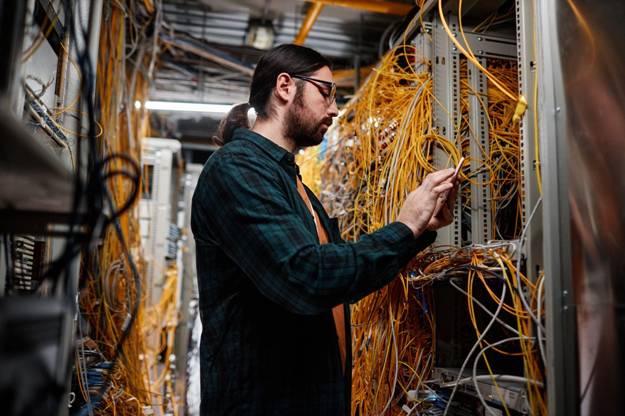
Curious to know what damages the fiber optic cable? Before learning to protect fiber optic network cable, it is crucial to understand the causes of fiber network failure. Let’s have a look at common causes of fiber network cable failure.
Poor quality materials
Using poor-quality cables might seem like you cost saver initially but can lead to frequent failures and repairs. The inferior material fails to handle the data speed and degrades faster. Consequently, it is crucial to invest in high-quality components to ensure your network’s reliability.
Loose or damaged connectors
Connectors can get loose or get damaged over time. This can cause a flickering signal and a damaged one could stop it altogether. So, make sure that connectors are tight and in good shape.
Physical damage
Rough handling or construction mishaps can harm fiber optic cables. A small thing can break the delicate fiber optic cable leading to a signal loss. The best way forward would be to keep them away from high-traffic areas.
Overbending
Overbending the fiber optic cable also damages it. Avoid twisting or bending the cables too much as this can lead to signal loss.
Inadequate network design
Inadequate network design can also cause damage to fiber optic cable. Too long cables without proper signal boosting or not having enough bandwidth can hamper your business. The key is to plan the network layout with future growth in mind.
Ways To Protect Fiber Optic Cables
Being delicate, fiber optic cables get easily damaged. Consequently, here are ways outlined below using which you can protect fiber optic cables.
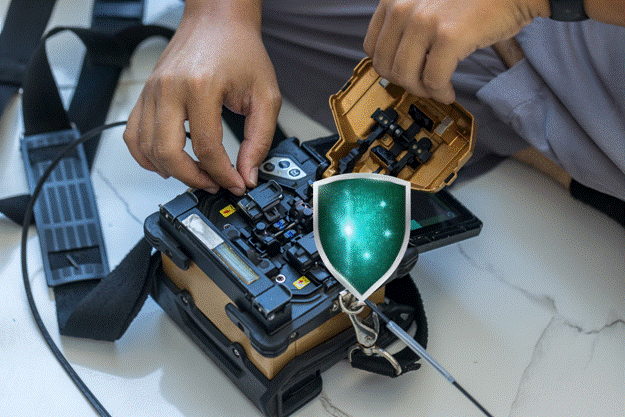
Pick the right cable
Not everyone knows how to choose the right cable. The ideal fiber optic cable can withstand excess strain and stress depending on the application and location of your fiber optic network.
For instance, if you are installing fiber optic cables outdoors, then armored cables work best as they have a protective layer of metal to prevent rodent bites.
Likewise, consider using riser cables having resistant jackets and ones complying with safety standards if installing fiber optic cables indoors.
Follow Installation techniques
Improper installation is also responsible for the fiber optic cable damage. The best way to avoid this is to be aware of the basic installation techniques. Keep these things in mind:
- Avoid excessive bending the cable.
- Avoid using too much force or tension as this can damage cable structure
- Measure the force via a tensiometer
- Avoid crushing or pinching the cable under heavy objects
- Protect the cable from external pressure using cable trays, conduits, and ducts
- Use cable jackets and covers to protect cable from extreme temperatures and sunlight
Regular maintenance and inspection
Another important way to protect fiber optic cables is regular maintenance and inspection. It helps you detect and fix problems before they turn severe and affect network performance. Follow these practices:
- Clean and inspect connectors after connecting or disconnecting the cables.
- Use a lint-free cloth to remove dirt, dust, and debris.
- Test and measure the signal quality using a power meter.
- Identity breaks or bends affect the signal transmission.
- Replace or repair damaged cables.
Follow best practices
At last, you need to follow best practices to protect fiber optic cables from breakage or damage. Secure and bundle the cables using cable ties. Doing this prevents the cables from sagging or interfering with other cables.
Label the cables using markers to identify the cables like their origin, destination, and function to avoid confusion when connecting or disconnecting the cables. Route cables by using cable trays, racks, and panels.
Following these practices can help you avoid congestion or overloading the cables and improve your network equipment.
Wrapping Up
Fiber optic cable installation is prone to catching issues. So what’s the best way forward? The best is to have a Fiber optic cable installer or outsource it to a Fiber optic installation company to get it done for you.