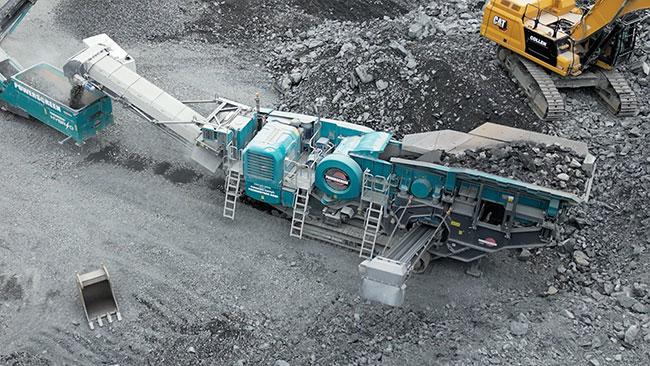
Heavy equipment plays a crucial role in industries such as construction, mining, and agriculture, where large-scale operations require specialized machinery. Among the various processes involved in handling materials, screening is one of the most important. Screening refers to the separation of materials based on size, and it is essential for optimizing productivity, ensuring safety, and maintaining the longevity of equipment. Efficient screening directly impacts the overall performance and profitability of heavy equipment operations.
Maximizing Operational Efficiency
Efficient screening ensures that only the right-sized materials are processed, reducing waste and improving throughput. When materials are screened correctly, the equipment can handle the right materials at the right time, leading to smoother operations. For example, in a construction setting, properly screened aggregates allow for the production of high-quality concrete, reducing the likelihood of costly rework. Box screeners are commonly used in these operations, as they can handle a variety of materials and separate them into distinct sizes, optimizing the screening process. This process helps minimize downtime, ensuring the heavy equipment is consistently used to its full potential.
Minimizing Equipment Wear and Tear
Heavy equipment is often subjected to harsh conditions, and continuous operation can lead to wear and tear if materials are not properly screened. Oversized particles or contaminants can damage machinery components, requiring costly repairs and reducing the lifespan of the equipment. Efficient screening minimizes this risk by ensuring that only appropriately sized materials are fed into the machines. By reducing the amount of larger, more abrasive particles entering the machinery, the risk of damage is lowered, leading to cost savings in maintenance and repairs.
Ensuring Safety and Compliance
In industries where heavy machinery is operated, safety is always a top priority. Inadequate screening can result in the mixing of materials that could lead to dangerous situations. For instance, large rocks or debris that pass through screening equipment without being filtered out can cause operational accidents or equipment malfunctions. By using efficient screening processes, operators can ensure that their equipment runs safely, reducing the likelihood of accidents and enhancing the safety of personnel. Additionally, proper screening helps meet regulatory requirements for material handling and environmental compliance, further protecting both workers and the environment.
Boosting Material Quality
Efficient screening is not only about preventing issues; it also plays a vital role in improving the quality of materials used. For example, in mining, separating different grades of ore through effective screening processes ensures that the final product meets specific industry standards. Whether it’s separating fine aggregates in construction or refining raw minerals in mining, accurate screening enhances the material quality, leading to higher-value output and better overall results. This, in turn, increases the profitability of operations.
Reducing Environmental Impact
By improving material efficiency, screening processes help minimize waste, ensuring that fewer resources are used to produce the same or better-quality products. This reduction in waste and resource consumption contributes to a more sustainable operation. Efficient screening also aids in the better disposal of unwanted materials, ensuring that waste is managed properly, reducing the environmental impact of heavy equipment operations.
Conclusion
Efficient screening in heavy equipment operations is not just a technical necessity but a critical element that affects the success of industries that rely on heavy machinery. From maximizing operational efficiency and reducing wear and tear to improving safety, material quality, and environmental sustainability, screening is a vital process that ensures the long-term viability and profitability of heavy equipment operations. By prioritizing efficient screening, companies can enhance their productivity, reduce costs, and maintain a safer, more sustainable working environment.