If your heat pump has been acting up lately, it might be high time to refer to a heat pump replacement company from your area. There are plenty of indicators of the fact that you might need a replacement for a part or two, not to mention is long due for some maintenance work.
In this guide, we will talk about heat pumps. We will discuss how they generally work, and what are the reasons it might be time to consider replacing your old heat pump.
How Does a Heat Pump Work?
The demand for heat pumps continues to grow. No wonder! A heat pump is an energy-efficient replacement for other methods of heating and cooling.
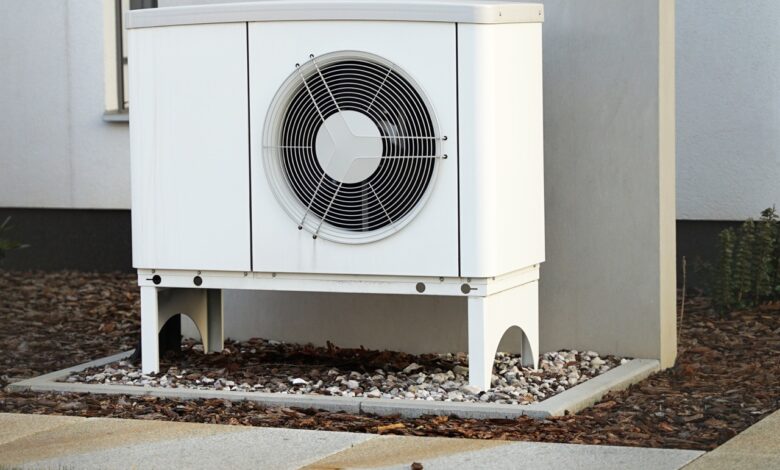
How does it work? Well, it acts like a two-way air conditioner, just doesn’t burn any actual fuel. Instead, it uses natural heat that is already in the air. During summer it pulls the warmth out of your home and releases it outside. During winter it takes the outside air, circulates it for a bit through the systems, and delivers heat into your home. It can be cooling the interior in the summer and doing the opposite in the winter.
The three key ingredients that a heat pump has are:
- a compressor;
- a condenser;
- an evaporator.
The secret ingredient is the refrigerant. It’s what picks the heat up, so to speak, and transfers it while circulating within the system. It’s all about moving heat rather than generating it, which makes heat pumps both sustainable and efficient.
The most common is the air-source heat pumps, which transfer heat between the air inside and outside your home. There is also the ductless mini-split—a perfect system for houses without ductwork. Generally, there are several types available for installment. Specialized companies like Alpha Mechanical handle the maintenance of heating and cooling systems for you.
Signs It’s Time for a Replacement
There are a few common reasons why a heat pump may break, including faulty electronics and water leakages. It’s important to watch out for signs to tackle the issue in time.
Here are some key indicators it’s time to replace an old heat pump:
- lifespan of the heat pump;
- repairs became frequent;
- increase in energy consumption;
- inconsistent temperature;
- uncharacteristic noise;
- excessive moisture or dust;
- short cycling;
- rising repair costs.
Heat pumps typically have a lifespan of 10–15 years. If it’s older, it might be time to consider a replacement. Generally, older units need multiple repairs and work with poor efficiency. They lose the ability to heat and cool your home properly over time. This can create more energy expenses and uncomfortable living surroundings.
If you notice that you are calling for repairs more and more often, your heat pump is probably wearing out. A new heat pump will likely be more dependable and will come with a warranty that will give you peace of mind.
Have you noticed the increase in utility bills? Your heat pump might be using more power than it should. Older pumps certainly lose efficiency over time and may need more energy to work at the same set point. A newer, more efficient model might decrease your consumption and lower the monthly bills.
The unstable temperature around the building may also be a warning that your heating pump does not work well. When a heating pump begins to wear out, it actually may not blow air evenly across the home, hot or cold. A new heat pump will help to make sure that every room in your house remains comfortable all year round.
Any unusual rattling or banging-type noise coming off your heat pump is always a bad sign. These kinds of sounds can be an indicator that something is going wrong inside the unit. These strange noises are caused by the wearing out or breakdown of the inner components. Ignoring them may lead to bigger problems and more costly repairs.
If you notice your place is too humid, it might be a sign too. A heat pump may not be working properly. High moisture levels can lead to mold, and that’s always bad news. On the other hand, overly dry air can cause allergic reactions and other respiratory-related complications. A newer heat pump, with better filtration, will be miles ahead in improving the overall air quality inside the house.
Does your heat pump power up, run operationally for a bit, then shut off? Does it do it often? That’s short cycling right there, and it could be a sign that your unit is struggling to maintain the room temperature. It also causes more wear and tear. Needless to say, it’s time for a professional checkup to see what parts might need a replacement.
And speaking of repair work. If you are starting to notice, that you need to spend more and more money on constant repair work with every subsequent season, replacing the heat pump may ultimately be a better solution.
The initial price of a new part may seem high. The savings it will provide in the long run will make it a worthwhile investment, though. The better equipment at the start, the better it will serve. Additionally, newer heat pumps are equipped with advanced features that can just make your home feel better
Of course, it is certainly tricky to do all the maintenance on your own. Noticing these signs is only a start—finding professionals to help you fix the problems is the main course.
Thankfully, companies like Alpha Mechanical which handle maintenance of heating and cooling systems are accessible—it’s more of a matter of picking the best option in your local area.
Key Takeaways
Knowing when to replace your heat pump will help you save money in the long run. Not to mention keep your house warm!
When your heat pump starts to show signs of wear and tear, like always increasing repair costs, inconsistent temperature, odd noises, and dust or moisture that doesn’t belong there—it’s time to replace it. A new, energy-efficient model will be an undeniable improvement.