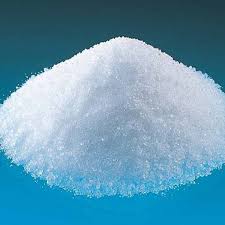
Polyvinyl alcohol (PVA) powder is an incredibly versatile and widely used polymer, valued for its unique properties and extensive applications across various industries. PVA powder is critical in enhancing product performance and sustainability, from textiles and adhesives to packaging and pharmaceuticals. In this article, we delve into the characteristics, applications, and benefits of polyvinyl alcohol powder, highlighting why it is a polymer of choice for many modern industries.
Understanding Polyvinyl Alcohol (PVA)
Polyvinyl alcohol (PVA) is a synthetic polymer derived from polyvinyl acetate through hydrolysis. It is characterized by its solubility in water, film-forming ability, and excellent adhesive properties. PVA powder is typically white or cream-colored and is available in various grades depending on the degree of polymerization and hydrolysis. These factors influence its solubility, viscosity, and film strength, making it adaptable for multiple applications.
Critical Properties of PVA Powder
-
Water Solubility
: One of the standout features of PVA powder is its solubility in water. This property makes it ideal for applications requiring dissolution in aqueous solutions.
-
Film-Forming Ability
: PVA can form strong, flexible films, which are helpful in coatings, packaging, and textile industries.
Adhesive Properties
: PVA’s excellent adhesive properties make it a preferred choice in producing glues and adhesives.
Biodegradability: As an environmentally friendly polymer, PVA is biodegradable, contributing to its appeal in sustainable product development.
Chemical Resistance: PVA is resistant to oils, greases, and solvents, enhancing its durability in various industrial applications.
Applications of Polyvinyl Alcohol Powder
Textile Industry
PVA powder is primarily used as a sizing agent in the textile industry. Sizing involves applying a protective coating to yarns to reduce breakage during weaving. PVA’s film-forming ability and water solubility make it ideal for this application. Additionally, PVA is used in fabric finishing processes to enhance the texture and durability of textiles.
Adhesives and Glues
PVA-based adhesives are renowned for their strong bonding capabilities. They are used in various applications, including woodworking, paper products, and packaging. PVA’s water solubility allows for easy cleanup and application, making it a preferred choice for both industrial and household adhesives.
Paper and Packaging
In the paper and packaging industry, PVA powder is used as a coating agent to improve paper products’ strength, gloss, and printability. Its barrier properties help create moisture-resistant packaging, enhancing the shelf life of food and other perishable goods.
Pharmaceuticals
PVA is widely used in the pharmaceutical industry to coat tablets and capsules. The polymer’s non-toxic and biocompatible nature ensures it is safe for consumption. Additionally, PVA is used in the production of contact lenses due to its excellent film-forming and moisture-retention properties.
Construction
In the construction industry, PVA powder is used as a binder in cement and mortar to enhance their flexibility, adhesion, and water resistance. It is also used to create water-soluble bags for the controlled release of substances in construction materials.
Cosmetics
PVA is a common ingredient in cosmetics and personal care products. Its film-forming properties are leveraged in products like peel-off face masks, hair sprays, and lotions. PVA provides a smooth texture and helps create a protective layer on the skin.
Agriculture
In agriculture, PVA creates water-soluble films and coatings for fertilizers and pesticides. This ensures controlled release and reduces the environmental impact of these chemicals.
Benefits of Using Polyvinyl Alcohol Powder
Environmental Friendliness
PVA is biodegradable, making it an environmentally friendly alternative to other synthetic polymers. Its use helps reduce the accumulation of non-biodegradable waste, contributing to environmental sustainability.
2. Versatility
The wide range of applications for PVA powder across different industries highlights its versatility. Whether it’s enhancing the durability of textiles or improving the safety and efficacy of pharmaceutical products, PVA is a multifunctional polymer that meets diverse needs.
3. Safety and Non-Toxicity
PVA is non-toxic and safe for various applications, including those in direct contact with humans, such as pharmaceuticals and cosmetics. This safety profile makes it a preferred choice for products that prioritize consumer health.
4. Cost-Effectiveness
PVA powder is relatively inexpensive compared to other high-performance polymers. Its cost-effectiveness and excellent properties make it an attractive option for manufacturers looking to optimize both performance and budget.
Enhanced Product Performance
The unique properties of PVA, such as its film-forming ability and chemical resistance, enhance the performance of the products in which it is used. For example, PVA coatings improve the durability and appearance of paper products, while their adhesive properties ensure strong and lasting bonds in construction materials.
Challenges and Future Prospects
While polyvinyl alcohol powder offers numerous benefits, it also faces particular challenges. The production process of PVA involves the use of significant amounts of water and energy, raising concerns about its environmental impact. Additionally, the disposal of PVA products, although biodegradable, must be appropriately managed to prevent environmental pollution.
The future of PVA powder lies in developing more sustainable production methods and expanding its applications in emerging industries. Research is ongoing to enhance PVA’s biodegradability and reduce its environmental footprint. Innovations in nanotechnology and biopolymers are also opening new avenues for PVA in high-tech applications, such as electronic devices and medical implants.
Conclusion
Polyvinyl alcohol powder is a remarkable polymer that continues to find new applications and deliver enhanced performance across various industries. Its unique properties, such as water solubility, film-forming ability, and biodegradability, make it a valuable material in today’s market. As industries increasingly prioritize sustainability and safety, the demand for PVA powder will likely grow, driving further innovation and development in this versatile polymer.